
Written by Sven Wombwell
Published April 24, 2026 8 minutes read
Estrogen therapy benefits may include relief from common menopause symptoms, such as hot flashes and night sweats.
Hormone therapy is widely recognized as the most effective treatment for menopause-related hot flashes and night sweats.
Estrogen plays an important role in bone health, brain function, and overall well-being during midlife.
Hormone therapy decisions should always be personalized based on individual health history and clinical evaluation.
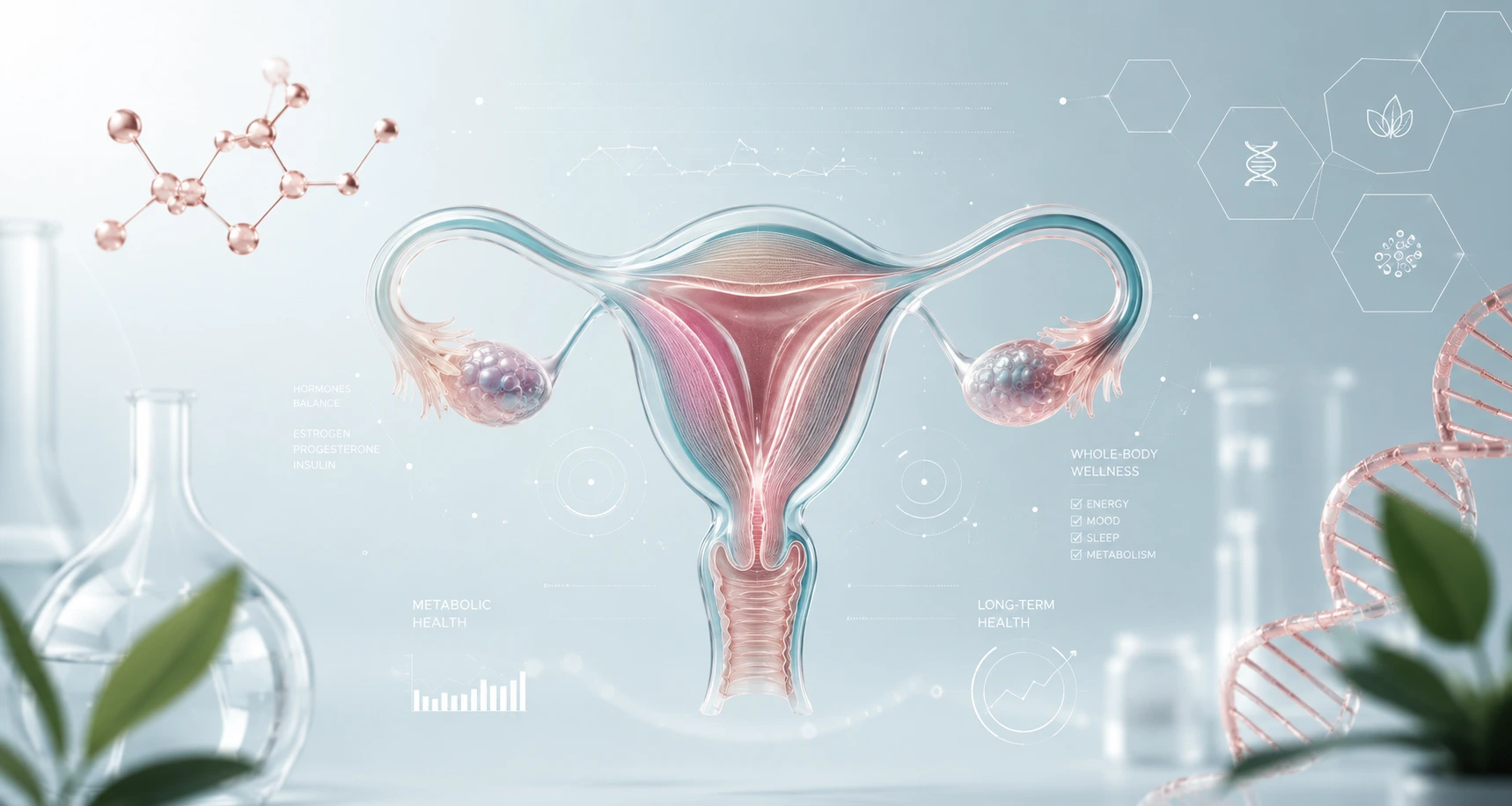
Hormones influence nearly every system in the body. During reproductive years, estrogen helps regulate the menstrual cycle, supports bone strength, influences brain chemistry, and maintains cardiovascular health.
As women approach menopause, however, estrogen levels naturally decline. These hormonal shifts can lead to a variety of physical and emotional symptoms that may affect daily life.
For very few women, these changes are mild. For most, hot flashes, sleep disruption, and vaginal dryness can significantly impact comfort and overall well-being. This is where hormone therapy becomes part of a treatment conversation.
Understanding estrogen therapy benefits can help women navigate the menopause transition with more clarity. Estrogen therapy is designed to restore declining estrogen levels and support the body during hormonal change. Estrogen therapy may offer symptom relief and support for many women when prescribed by a qualified medical provider.
At Fem Excel, hormone care focuses on individualized treatment planning. Through Fem Excel's hormone optimization initiatives, clinicians assess estrogen alongside other hormones and metabolic markers to better understand the full picture of hormonal health.
Learning about the potential benefits of estrogen therapy can help women have more informed discussions with their healthcare provider.
What Is Estrogen Therapy?
Estrogen therapy is a medical treatment used to supplement estrogen levels when the body produces less of the hormone. It is most commonly prescribed when patients are postmenopausal or without a period for a year to help manage hormone-related symptoms.
Estrogen therapy may be delivered through several methods, including:
Oral tablets
Transdermal patches
Topical gels or creams
Vaginal rings or suppositories
The specific type of therapy depends on a woman's symptoms, health history, and treatment goals. Women who still have a uterus are typically prescribed progesterone alongside estrogen to protect the uterine lining.
Hormone therapy does not stop menopause, but instead helps relieve the symptoms of menopause.
What Are the Potential Benefits of Estrogen Therapy?
1. Relief from Hot Flashes and Night Sweats
Hot flashes are among the most widely recognized menopause symptoms. They occur when hormonal changes affect the brain's temperature regulation system.
Many women describe hot flashes as sudden waves of warmth that spread through the upper body, often accompanied by sweating and a rapid heartbeat. These episodes may happen during the day or at night.
Nighttime hot flashes, often referred to as night sweats, can significantly disrupt sleep. Repeated sleep interruptions may lead to daytime fatigue, irritability, and difficulty concentrating.
One of the most commonly discussed estrogen therapy benefits is its potential to help relieve hot flashes and the symptoms and feelings associated with them. For women experiencing moderate to severe hot flashes, hormone therapy may be recommended as part of a treatment plan to support comfort and sleep quality.
2. Support for Vaginal and Urinary Health
Estrogen plays an important role in maintaining the health of vaginal and urinary tissues. When estrogen levels decline, these tissues may become thinner, drier, and less elastic.
Some women experience symptoms such as:
Vaginal dryness
- Irritation or itching
Pain during intercourse
Increased urinary urgency
Frequent urinary tract infections
These changes are sometimes referred to as genitourinary syndrome of menopause.
Estrogen therapy may help support natural moisture and elasticity in vaginal tissues. In many cases, estradiol and DHEA suppositories specifically target these symptoms.
Improving vaginal and urinary health may also support intimacy, comfort, and overall quality of life.
3. Protection Against Bone Density Loss
Bone health is another area where estrogen plays an important role. Throughout life, bone tissue constantly undergoes a process of breakdown and rebuilding.
When estrogen levels decline after menopause, bone loss may accelerate. Over time, reduced bone density can increase the risk of osteoporosis and fractures.
Estrogen therapy may help manage the natural bone density loss that occurs in some women. While it is not the only strategy for maintaining bone health, it may be part of a broader prevention plan.
Other factors that support bone health include:
Strength training and weight-bearing exercise
Adequate calcium intake
- Sufficient vitamin D levels
Balanced nutrition
A healthcare provider may consider these factors when developing a personalized treatment approach.
4. Potential Support for Mood and Cognitive Function
Hormones influence brain chemistry, including neurotransmitters that affect mood, focus, and emotional regulation. During perimenopause, many women report symptoms such as brain fog, mood swings , or difficulty concentrating. These changes may be related to fluctuating hormone levels.
Estrogen interacts with neurotransmitters such as serotonin and dopamine, which help regulate mood and cognitive processes. When hormone levels stabilize, some women notice changes in mental clarity and emotional balance.
While responses vary from person to person, estrogen therapy may help support cognitive well-being in certain individuals. It is important to note that mood and cognitive changes can have multiple causes. Hormonal changes are just one potential factor.
5. Improved Overall Quality of Life
The menopause transition can affect many aspects of daily life. Sleep disruption, physical discomfort, and mood changes may make it difficult to maintain normal routines.
Hormone replacement therapy or combined estradiol and progesterone therapy may help postmenopausal women experience improvements in overall well-being.
For example, managing hot flashes may support better sleep. Improved sleep can influence energy levels, mood, and mental clarity. Addressing vaginal discomfort may also improve confidence and relationship satisfaction.
When symptoms become more manageable, women may find it easier to maintain physical activity, social engagement, and professional responsibilities.
Ultimately, the goal of hormone therapy is not simply symptom relief but supporting a woman's ability to feel comfortable and confident during midlife transitions.
Lifestyle Habits That Support Hormone Health
Physical Activity
Regular exercise supports cardiovascular health, muscle strength, and metabolic function. Strength training may help maintain muscle mass, while aerobic activity supports heart health .
Nutrition
Balanced meals that include protein, healthy fats, and fiber-rich foods may support stable energy levels and metabolic health.
Sleep Hygiene
Establishing consistent sleep habits can help regulate circadian rhythms and support hormone signaling.
Stress Management
Chronic stress may affect hormone balance and sleep quality. Practices such as mindfulness, meditation, or yoga may help support nervous system regulation.
Frequently Asked Questions
What is estrogen therapy used for?
Estrogen therapy is used to restore declining hormone levels and relieve symptoms of hormonal imbalance, especially during perimenopause and menopause. It can help reduce hot flashes, night sweats, vaginal dryness, sleep disruption, and mood changes, while also supporting bone health and long-term wellbeing.
At Fem Excel, estrogen therapy is prescribed as part of a personalized, provider-led protocol. When clinically appropriate, it is combined with progesterone to protect the uterine lining, and may also be integrated with testosterone and thyroid support to address the full hormonal picture, not just a single symptom.
When should someone consider estrogen therapy?
Estrogen therapy may be appropriate when symptoms of hormonal imbalance begin to affect how you feel day to day, not just after menopause. This can include hot flashes, night sweats, sleep disruption, mood changes, vaginal dryness, fatigue, or weight changes.
At Fem Excel, treatment is based on symptoms as well as lab results, so you do not have to wait until symptoms become severe. During premenopause and perimenopause, estrogen may be introduced alongside progesterone, and when clinically appropriate, testosterone and thyroid support, to address the full hormonal picture early and help prevent symptoms from progressing.
Are estrogen therapy benefits immediate?
Some women notice improvements within weeks, while others may take several months to experience full symptom relief. Treatment timelines vary depending on the individual.
Is estrogen therapy safe?
Hormone therapy is safe and appropriate for many women when prescribed by a qualified healthcare provider. However, treatment decisions must consider individual health history and risk factors.
Can lifestyle changes replace estrogen therapy?
Healthy lifestyle habits such as good nutrition, regular exercise, stress management, and quality sleep can support overall health and may help ease mild symptoms. However, they do not replace the role of estrogen when levels decline.
Lifestyle strategies work best alongside treatment, not instead of it. When symptoms are driven by declining hormone levels, estrogen therapy, often combined with progesterone and, when clinically appropriate, testosterone and thyroid support, is used to address the underlying cause and provide more complete relief.
Conclusion
The menopause transition brings many natural hormonal changes. For some women, these shifts can lead to symptoms that affect daily comfort and quality of life.
Understanding estrogen therapy benefits can help women explore treatment options with greater confidence. Estrogen therapy alongside progesterone therapy may help soothe hot flashes, support vaginal health, maintain bone density, and improve overall well-being during menopause.
However, hormone therapy is not a one-size-fits-all solution. Treatment decisions should always be based on careful evaluation of symptoms, health history, and individual goals.
Women experiencing persistent menopause symptoms can consult a qualified healthcare provider at Fem Excel to determine whether hormone evaluation and therapy may be appropriate for their needs.
Sources:
Hormone Therapy: Is It Right For You? | Mayo Clinic
Hormone Replacement Therapy (HRT) for Menopause | Cleveland Clinic