
Written by Quentin McCree
Published April 24, 2026 8 minutes read
Key Takeaways
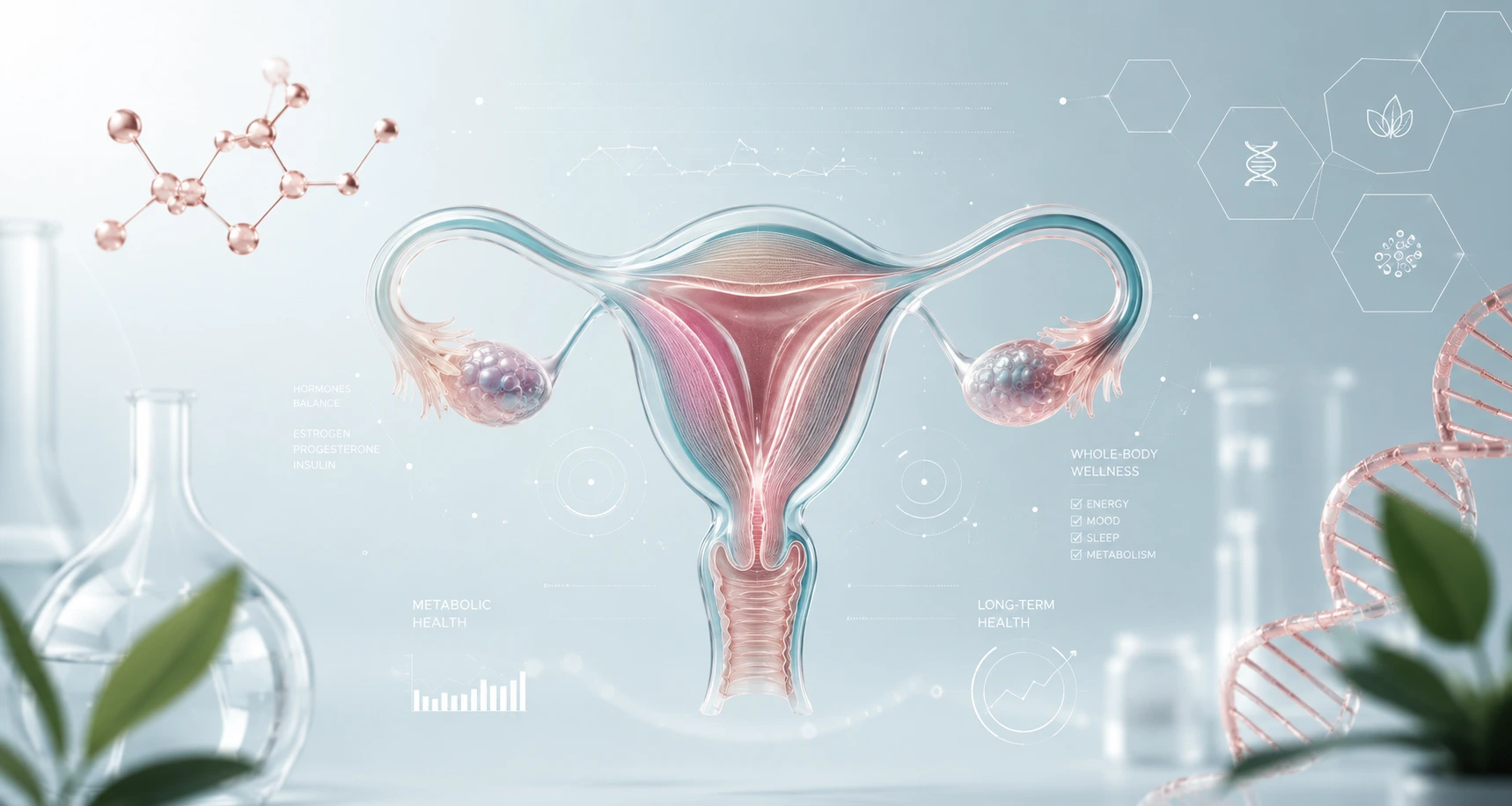
HRT and weight loss are connected through hormone balance, metabolism, and body composition support.
Hormone therapy does not cause weight loss but may help address barriers that affect weight management.
Personalized hormone care is essential for women navigating midlife weight changes.
Hormonal changes during perimenopause and menopause can make weight management feel more challenging than it ever has before. Many women notice shifts in body composition, fat distribution, and metabolism that do not respond to the same routines that once worked.
This often leads to an important question: Does hormone replacement therapy help with weight loss? Understanding how HRT interacts with metabolism, muscle mass, and overall hormonal balance can help women make informed decisions about their health.
While hormone therapy is not a weight loss treatment, it may play a supportive role in addressing factors that influence weight changes during midlife. And with support from Dr. Lorna Brudie, Medical Director and hormone health lead, you can find a personalized HRT plan that works for you.
Understanding Weight Changes During Perimenopause and Menopause
Weight gain during midlife is common and often multifactorial. Hormonal shifts, age-related metabolic changes, and lifestyle factors all contribute. Estrogen levels naturally decline during perimenopause and menopause, which may influence how the body stores fat and uses energy.
Many women notice increased abdominal fat, changes in muscle tone , and fluctuations in appetite. These changes can occur even when diet and activity levels remain consistent. Declining estrogen may also affect insulin sensitivity and metabolic efficiency, making weight maintenance feel more difficult.
Research shows that muscle mass tends to decrease with age , which can lower resting metabolic rate. This shift means the body may burn fewer calories at rest, even without changes in daily habits. Over time, this combination of hormonal and metabolic changes can influence weight trends.
What Is Hormone Replacement Therapy?
Hormone replacement therapy involves supplementing hormones that decline during menopause, including estrogen, progesterone, and testosterone.
HRT is designed to support hormonal balance and overall wellness. It is not intended to promote rapid weight loss or serve as a substitute for nutrition or physical activity. Instead, hormone therapy may help address symptoms and physiological changes that influence quality of life during menopause.
At Fem Excel, hormone therapy plans are personalized based on lab testing, symptoms, and individual goals. This approach recognizes that no two women experience menopause in the same way.
How HRT and Weight Loss Are Connected
When discussing HRT and weight loss, it is important to separate expectations from reality. Hormone therapy does not directly cause fat loss. However, it may help support factors that influence weight regulation.
Estrogen plays a role in how the body distributes fat and maintains insulin sensitivity. When estrogen levels decline, fat storage patterns may shift toward the midsection. Supporting estrogen balance may help maintain healthier fat distribution patterns over time.
Hormones also influence energy levels, sleep quality, and mood. Disruptions in these areas can affect daily movement, exercise consistency, and eating habits. Supporting hormonal balance may indirectly improve these lifestyle factors, which are essential for weight management.
Muscle mass is another key component. Hormonal changes can make it harder to preserve lean muscle. Maintaining muscle supports metabolic health and calorie utilization, which plays a role in long-term weight stability.
Can HRT Prevent Menopausal Weight Gain?
HRT does not prevent weight gain outright, but it may help reduce some of the drivers behind menopausal weight changes. Studies suggest that women using hormone therapy may experience less central fat accumulation compared to those who do not.
This does not mean hormone therapy guarantees weight stability. Nutrition, physical activity, stress management, and sleep remain essential components of healthy weight maintenance. Hormone therapy works best as part of a comprehensive approach.
Supporting metabolic health and muscle preservation may help women feel more capable of maintaining routines that support weight goals. Addressing hormonal imbalances may remove obstacles rather than act as a solution on its own.
The Role of Insulin Sensitivity and Metabolism
Hormones influence how the body processes glucose and manages blood sugar. Changes in estrogen levels may affect insulin sensitivity, which can influence how efficiently the body uses energy.
When insulin sensitivity declines, the body may store more energy as fat. Supporting metabolic health through balanced nutrition, strength training, and hormonal support can help maintain healthy energy utilization.
Gut health also plays a role in hormone metabolism and insulin signaling. Digestive balance supports hormone processing and overall metabolic wellness.
Does HRT Affect Appetite or Cravings?
Some women notice changes in appetite or food preferences during menopause. Hormonal shifts can influence hunger signaling and satiety cues.
HRT may help stabilize some of these fluctuations by supporting hormonal consistency. This does not suppress appetite but may help normalize hunger patterns that feel disrupted during menopause.
It is important to approach appetite changes with curiosity rather than restriction. Nourishing the body with adequate protein, fiber, and healthy fats supports both hormone balance and metabolic health.
Weight Distribution and Body Composition Changes
One of the most common concerns during menopause is the shift in where weight is stored. Many women notice increased fat around the abdomen even without overall weight gain. Estrogen influences fat distribution, particularly in the hips and thighs. As levels decline, fat storage patterns may change. Supporting estrogen balance may help moderate these shifts.
Body composition changes also include muscle loss if strength training is not prioritized. Maintaining muscle supports posture, joint health, and metabolic efficiency, all of which are important during midlife.
Who Might Consider HRT as Part of a Weight Management Plan?
HRT may be considered for women experiencing menopausal symptoms that affect daily functioning, energy, sleep, or physical comfort. Weight concerns alone could also be a reason to start hormone therapy.
Women who experience fatigue, sleep disruption, or changes in body composition may benefit from a comprehensive hormone evaluation. Understanding how estrogen, progesterone, testosterone, thyroid hormones, and other markers interact provides valuable insight.
Thyroid function is especially important when discussing metabolism and weight. Thyroid hormones regulate energy expenditure and metabolic rate.
What the Research Says About HRT and Weight Loss
Recent research suggests that hormone therapy may help support body composition during menopause rather than cause weight loss. Hormone therapy users experienced less central fat accumulation compared to non-users.
Hormone therapy may help reduce abdominal fat when combined with healthy lifestyle habits. These findings support the idea that HRT addresses underlying hormonal factors rather than acting as a weight loss intervention.
Maintaining muscle mass and metabolic health is important during menopause. Hormonal balance plays a role in preserving lean tissue, which supports energy utilization. Midlife weight changes are influenced by aging, activity levels, and hormonal shifts. Addressing these factors together leads to more sustainable outcomes.
Setting Realistic Expectations
It is essential to approach HRT with realistic expectations. Hormone therapy does not replace nutrition, movement, or lifestyle choices. Instead, it may help make these habits more effective by supporting internal balance.
Weight fluctuations during menopause are normal and do not reflect personal failure. Focusing on strength, energy, and overall wellness often lead to better outcomes rather than chasing a specific number on the scale.
Personalized care allows women to explore options that align with their goals and physiology. This individualized approach is central to Fem Excel's care model.

Get HRT Online
Optimize Your Hormones
Frequently Asked Questions About HRT and Weight Loss
Does HRT cause weight loss?
HRT does not cause weight loss. It may help support factors like metabolism, muscle maintenance, and hormonal balance that influence weight management.
Can HRT help reduce belly fat?
Hormone therapy may help manage central fat accumulation by supporting estrogen balance. Results vary and depend on lifestyle factors.
Will I gain weight if I start HRT?
Research shows that HRT does not typically cause weight gain. Many women experience stable weight when therapy is properly managed.
How long does it take to notice changes?
Hormonal support effects vary. Some women notice improvements in energy and body composition within a few months, while others require more time.
Is HRT safe for weight management?
HRT should always be personalized and monitored by a healthcare provider. Safety depends on individual health history and goals.
Conclusion
HRT and weight loss are connected through the broader lens of hormonal balance, metabolism, and body composition. While hormone therapy does not cause weight loss, it may help remove barriers that make weight management more challenging during menopause.
By supporting estrogen balance, muscle maintenance, and metabolic health, HRT can play a role in a comprehensive wellness plan. Personalized evaluation and care remain essential for women navigating midlife changes.
For women seeking proactive hormone support, Fem Excel offers individualized care that prioritizes long-term health, strength, and vitality.
Sources:
Menopause Topics: Hormone Therapy | The Menopause Society
Hormone Replacement Therapy | NCBI Bookshelf
Midlife Weight Gain | The Menopause Society