
-
Symptoms of low estrogen often include cycle changes, mood shifts, fatigue, weight changes, and vaginal dryness.
-
Perimenopause and menopause are common causes, but low estrogen can occur at any age.
-
Hormone testing helps clarify whether symptoms are estrogen-related, and individualized care supports symptom management and long-term health.
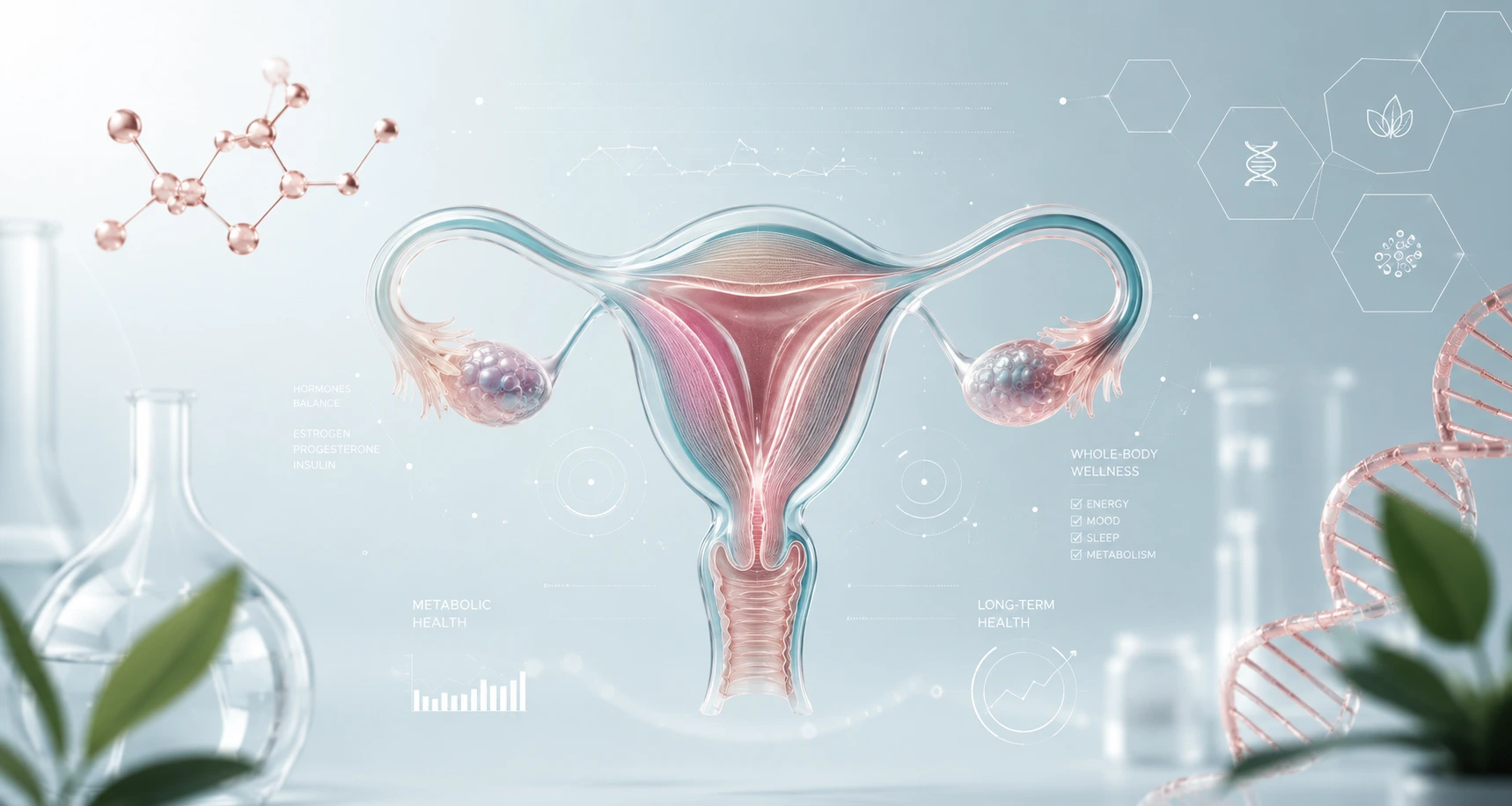
Estrogen plays a central role in women's health, influencing everything from menstrual cycles and bone density to mood, metabolism, and brain function. When estrogen levels drop, many women experience symptoms that feel confusing, disruptive, or easy to dismiss as stress or aging.
Low estrogen symptoms can appear during perimenopause, menopause, postpartum recovery, or due to underlying hormonal or medical factors. Understanding how estrogen works and how deficiency shows up in the body helps women recognize when their symptoms may be hormone-related rather than random.
This guide explores the most common low estrogen symptoms, what causes estrogen levels to decline, and when personalized support may help restore balance.
What Is Estrogen and Why Does It Matter?
Estrogen is a group of hormones that includes estradiol, estrone, and estriol. Estradiol is the most active form during reproductive years and plays a key role in regulating menstrual cycles, maintaining bone density, supporting cardiovascular health, and influencing brain chemistry.
Estrogen also interacts with insulin, cortisol, thyroid hormones, and progesterone. When estrogen levels drop, these systems can become less balanced, which explains why symptoms often affect multiple areas of the body at once.
According to research, declining estrogen levels are associated with changes in metabolism , fat distribution, bone turnover, and neurological function.
Common Low Estrogen Symptoms
Low estrogen symptoms vary from person to person. Some women notice subtle changes, while others experience symptoms that significantly impact daily life.
Irregular or Missed Periods
One of the earliest signs of low estrogen is a change in menstrual patterns. Cycles may become shorter, longer, lighter, or more unpredictable. In some cases, periods may stop entirely. Hormonal fluctuations during perimenopause are a common cause, but estrogen levels can also drop due to stress , excessive exercise, or underlying medical conditions.
Hot Flashes and Night Sweats
Hot flashes are a well-known low estrogen symptom. They occur when estrogen decline affects the brain's temperature regulation center, causing sudden sensations of heat, sweating, and flushing.
Night sweats can disrupt sleep, which further affects mood, appetite regulation, and energy levels. Sleep disruption is one reason low estrogen symptoms often feel cumulative over time.
Vaginal Dryness and Discomfort
Estrogen supports vaginal tissue health and natural lubrication. Low estrogen can lead to dryness, irritation, discomfort during intimacy, and increased risk of urinary tract symptoms. Vaginal symptoms are among the most persistent effects of estrogen decline and often worsen without treatment.
Mood Changes and Increased Anxiety
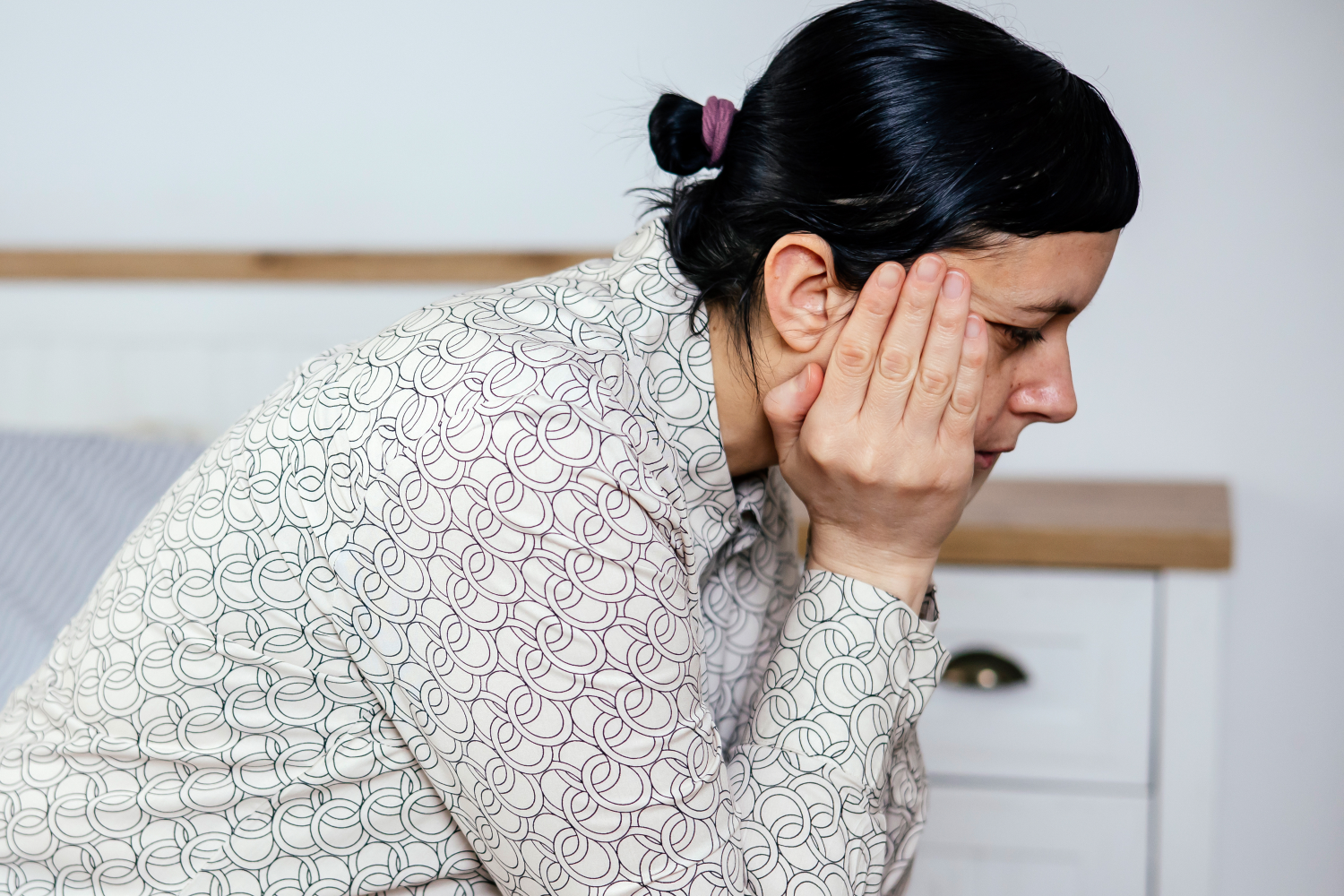
Estrogen influences neurotransmitters such as serotonin and dopamine. When levels decline, women may notice increased irritability, anxiety, low mood, or emotional sensitivity. Mood changes related to low estrogen are often misattributed to stress or life circumstances, delaying appropriate evaluation.
Fatigue and Low Energy
Persistent fatigue is a common but often overlooked low estrogen symptom. Estrogen supports mitochondrial function and energy regulation. When levels drop, physical and mental fatigue may increase, even with adequate sleep. Fatigue can also worsen when low estrogen overlaps with thyroid changes or poor sleep quality.
Weight Gain and Changes in Body Composition
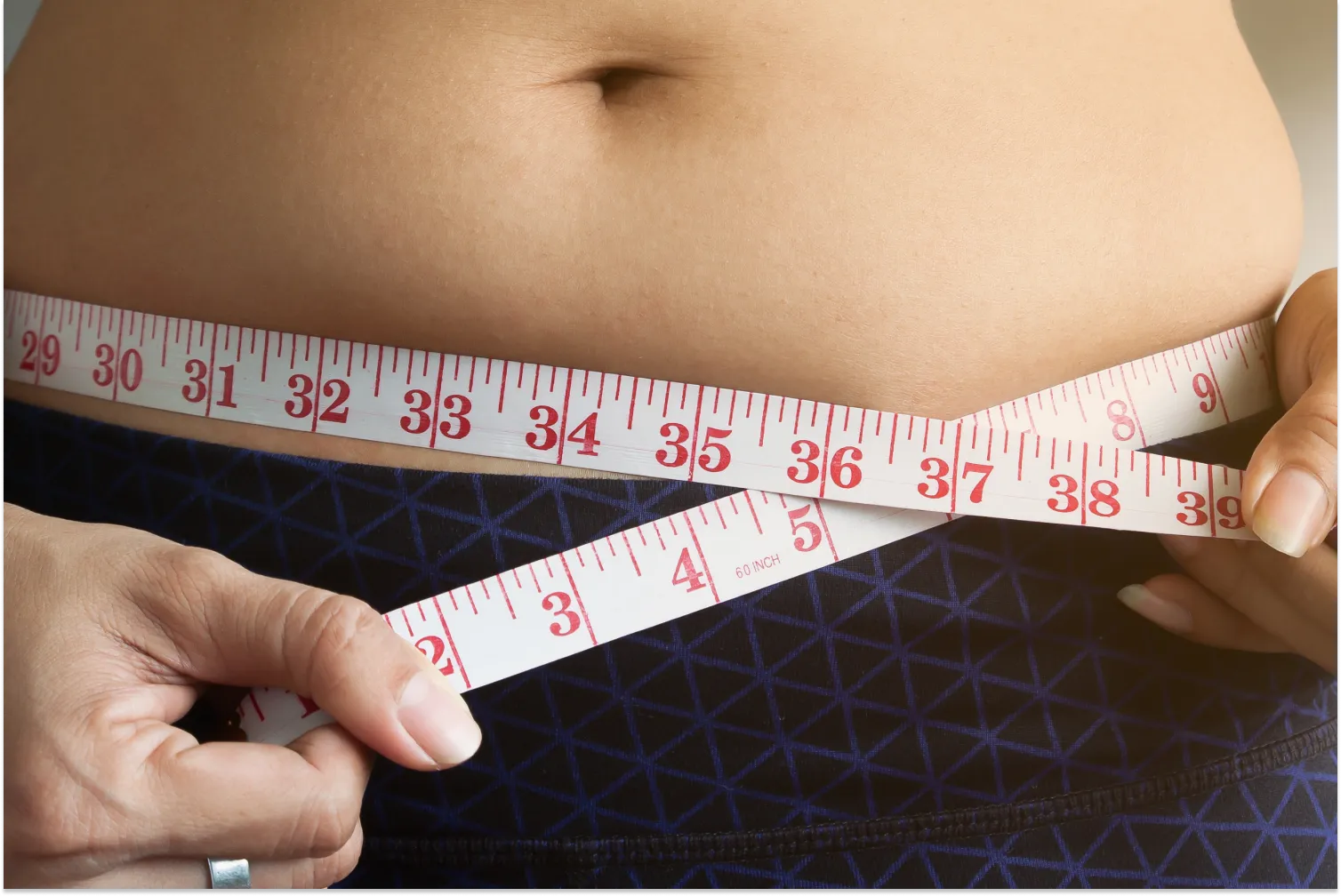
Low estrogen affects how the body stores fat and maintains muscle mass . Many women notice increased abdominal fat or difficulty maintaining weight despite unchanged habits.
The connection between hormones and metabolism is explored further in how hormone therapy can help women maintain muscle mass, which highlights estrogen's role in preserving lean tissue.
Joint Pain and Muscle Aches
Estrogen has anti-inflammatory properties and supports joint lubrication. Low estrogen may contribute to joint stiffness, muscle soreness, and slower recovery after exercise. These symptoms often appear during perimenopause and menopause and are sometimes mistaken for normal aging.
Brain Fog and Memory Changes
Many women report difficulty concentrating, forgetfulness, or mental fatigue when estrogen levels drop. Estrogen supports cognitive processing and blood flow in the brain. Estrogen decline has been linked to changes in memory and executive function during midlife transitions.
Sleep Disruption
Low estrogen can affect sleep quality by influencing body temperature regulation, stress hormones, and circadian rhythm. Trouble falling or staying asleep often worsens other low estrogen symptoms. Poor sleep also impacts insulin sensitivity and appetite regulation, compounding metabolic effects.
What Causes Low Estrogen Levels?
Low estrogen symptoms can develop for several reasons, not all of which are related to age.
Perimenopause and Menopause
The most common cause of low estrogen is the natural transition toward menopause. Estrogen levels fluctuate during perimenopause and decline more steadily after menopause. This transition explains why symptoms often appear gradually and vary in intensity.
Chronic Stress
High stress can suppress estrogen production by increasing cortisol output. Over time, chronic stress shifts hormonal balance and may worsen symptoms such as fatigue, mood changes, and cycle irregularity. Prolonged stress can disrupt hormone signaling and metabolic health.
Excessive Exercise or Undereating
Very high levels of physical activity or insufficient caloric intake can reduce estrogen production. This is more common in athletes or women following restrictive diets. Estrogen requires adequate energy availability to maintain normal production.
Thyroid Dysfunction
Thyroid hormones and estrogen work closely together. When thyroid function is disrupted, estrogen metabolism may also be affected. Symptoms often overlap, which is why thyroid dysfunction symptoms every woman should know can help guide further evaluation.
How Gut Health Influences Estrogen Levels
The gut microbiome plays a role in estrogen metabolism and elimination. An imbalance in gut bacteria can affect how estrogen is processed and recycled in the body. Supporting digestive health may help optimize hormone balance, as discussed in the connection between gut health and female hormones .
How Low Estrogen Is Diagnosed
Low estrogen is typically evaluated through a combination of symptom review and laboratory testing. Blood tests may measure estradiol levels along with progesterone, thyroid markers, and metabolic indicators.
Hormone testing helps differentiate estrogen deficiency from other causes of similar symptoms and supports personalized care decisions.
Frequently Asked Questions
Can low estrogen symptoms occur before menopause?
Yes. Low estrogen symptoms can appear during perimenopause, postpartum recovery, or in response to stress, undereating, or medical conditions. Age alone does not determine estrogen status.
Are low estrogen symptoms permanent?
Not necessarily. Symptoms depend on the underlying cause. Some women experience temporary estrogen dips, while others may benefit from long-term support during menopause.
Can lifestyle changes improve low estrogen symptoms?
Lifestyle factors such as nutrition, stress management, sleep, and resistance training can support hormonal balance. However, they may not fully address symptoms caused by a significant estrogen decline.
How is low estrogen treated?
Treatment depends on individual symptoms, labs, and health history. Options may include lifestyle interventions, vaginal estrogen for localized symptoms, or hormone therapy when appropriate.
When should I seek professional support?
If symptoms persist, worsen, or interfere with daily life, professional evaluation can provide clarity and guide next steps.
Conclusion
Low estrogen symptoms can affect nearly every system in the body, from mood and metabolism to sleep and joint health. While these changes are common during midlife transitions, they are not something women need to ignore or normalize.
Understanding how estrogen works and how deficiency presents empowers women to seek informed, personalized care. With proper evaluation and support, many low estrogen symptoms can be effectively managed.
At Fem Excel , the focus is on comprehensive hormone care that reflects each woman's unique physiology and goals. When estrogen balance is addressed thoughtfully, women can move through hormonal transitions with greater clarity, comfort, and confidence.
Sources:
Central Regulation Of Energy Metabolism By Estrogens | National Library Of Medicine
Stress Effects On The Body | American Psychological Association