
Written by Quentin McCree
Published April 24, 2026 7 minutes read
Key Takeaways
Progesterone therapy can restore hormone balance and regulate menstrual cycles
It supports restful sleep, mood stability, and stress resilience
Therapy may also improve reproductive, bone, and metabolic health when combined with lifestyle strategies
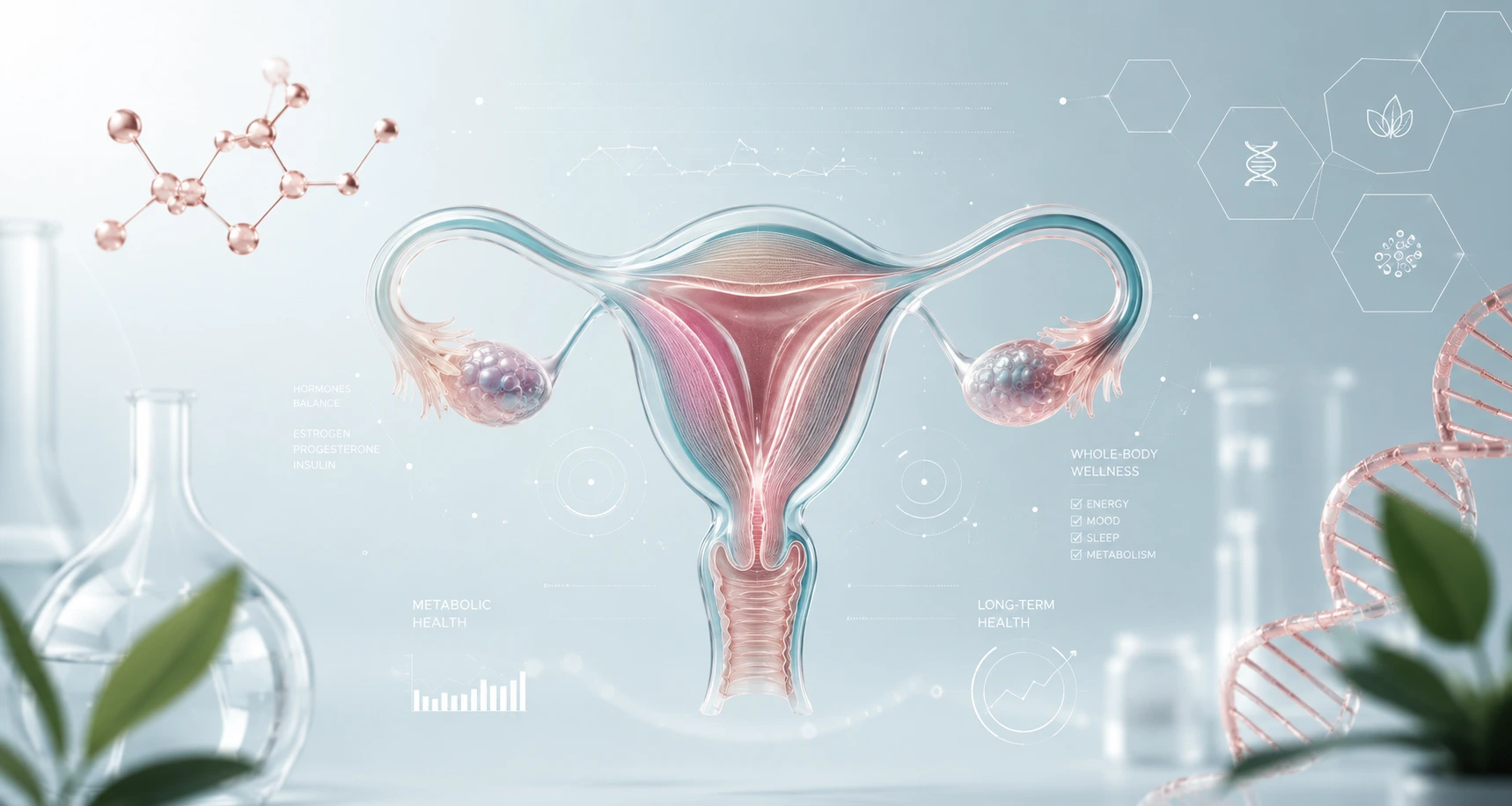
Progesterone is a vital hormone that plays a central role in a woman's health, from regulating menstrual cycles to supporting fertility and maintaining overall hormonal balance. As women approach perimenopause and menopause, declining progesterone levels can contribute to a variety of symptoms, including mood swings, sleep disruption, weight gain, and low libido.
Understanding the benefits of progesterone therapy can empower women to take control of their health during midlife transitions. Properly prescribed therapy not only addresses hormone imbalances but also supports long-term wellness across multiple body systems.
By combining lab-driven insights with symptom assessment, Fem Excel guides strategies that optimize hormone levels safely, helping women improve quality of life while managing the changes that come with aging.
This article explores nine key benefits of progesterone therapy, providing actionable insights to help women understand how this hormone can support their physical, mental, and emotional well-being.
1. Hormone Balance and Menstrual Cycle Regulation
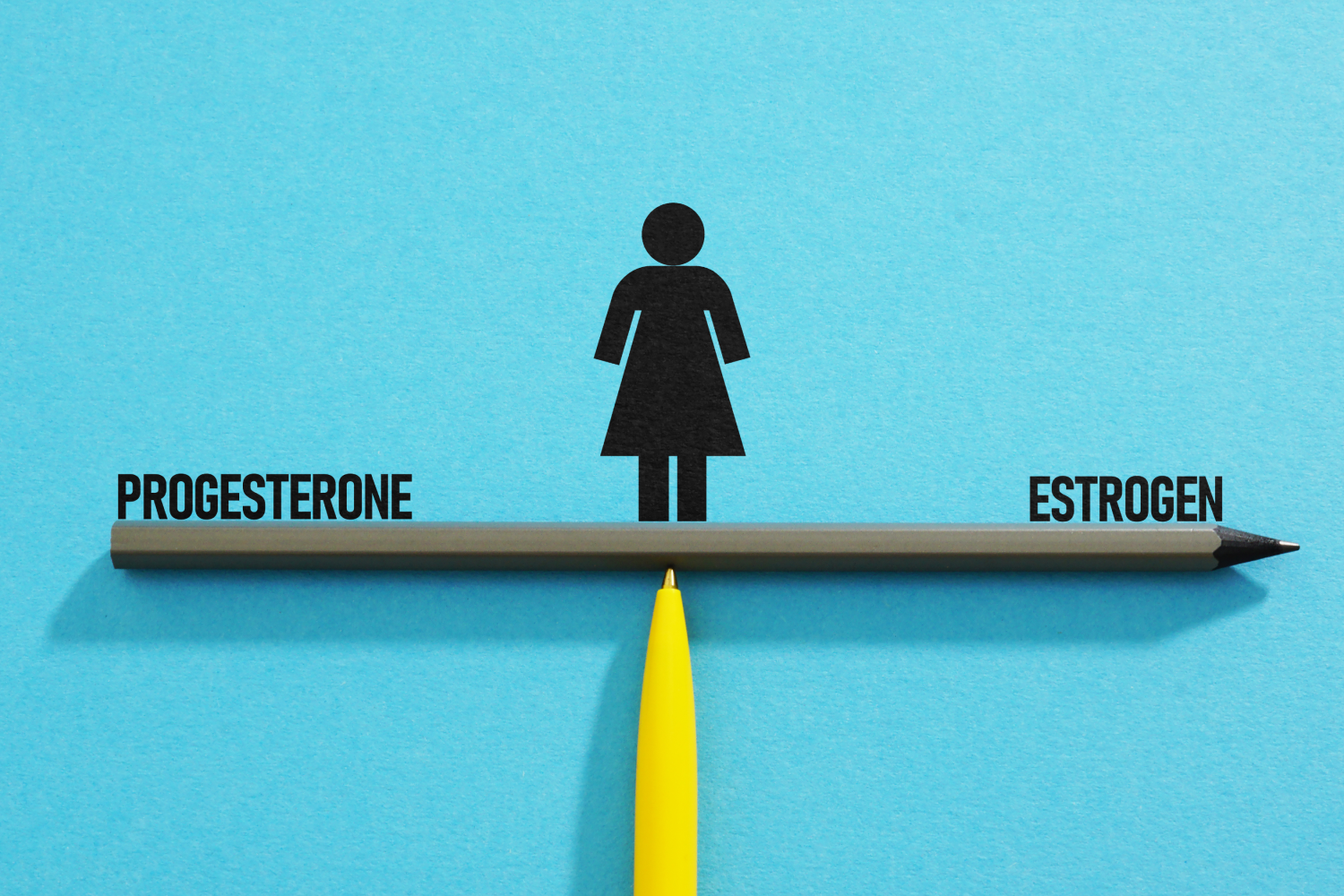
Progesterone is essential for balancing estrogen and regulating the menstrual cycle. As levels decline, women may experience irregular periods, spotting, heavy bleeding, or PMS-like symptoms.
Progesterone therapy benefits :
Stabilizes hormone fluctuations and regulates menstrual cycles
Supports the uterine lining to prevent excessive bleeding
Counteracts estrogen-dominant symptoms such as bloating and irritability
Studies show that women using progesterone therapy tend to experience predictable cycles and reduced hormonal symptoms, which can support overall well-being and daily functioning.
2. Improved Sleep Quality
Progesterone interacts with neurotransmitters, including GABA, to support relaxation and sleep. Low levels often lead to insomnia, night awakenings, or restless sleep.
Benefits of therapy:
Supports deep and restorative sleep stages
Maintains circadian rhythm stability
Women report healthy daytime energy and mental clarity when therapy is combined with healthy sleep habits, such as limiting screen time before bed and maintaining consistent bedtimes.
3. Mood Stabilization and Stress Support
Fluctuating progesterone can contribute to irritability, anxiety, and difficulty managing stress. Therapy supports brain GABA receptor activity, helping to support mood and emotional response.
Progesterone therapy benefits:
Calms stress
Supports stress resilience
Maintains overall sense of well-being
Combining therapy with mindfulness, yoga, or gentle exercise may amplify these benefits and provide long-term emotional stability during perimenopause and menopause .
4. Reproductive and Uterine Health
Progesterone protects the uterine lining and supports reproductive health. Low levels can lead to irregular bleeding and increase the risk of endometrial hyperplasia in women with a uterus.
Progesterone therapy benefits:
Safeguards the uterine lining from estrogen dominance
Supports fertility for women still in reproductive years
Individualized therapy ensures appropriate dosing to address symptoms safely and effectively. Combined with nutrition and exercise, these benefits help maintain reproductive and overall hormonal health.
5. Bone, Cardiovascular, and Metabolic Health
Progesterone contributes to bone remodeling, cardiovascular function, and metabolic regulation. As women age, declining progesterone can accelerate bone loss and affect metabolism.
Progesterone therapy benefits:
Supports bone density
Complements estrogen's cardiovascular protection
Maintains metabolic balance when paired with lifestyle strategies
Regular strength training, adequate calcium and vitamin D intake, and healthy nutrition enhance the benefits of progesterone therapy for bone, heart, and metabolic health.
6. Cognitive Health and Memory Support
Declining progesterone levels can affect brain function, contributing to brain fog, difficulty concentrating, and memory lapses. Research suggests progesterone therapy may support cognitive health by influencing neurotransmitter activity and protecting neurons from age-related changes.
How therapy helps:
Supports synaptic function and neural communication
Maintains focus, memory, and mental clarity when combined with healthy sleep and physical activity
Cognitive benefits are amplified when progesterone therapy is paired with mental exercises, regular cardiovascular activity, and adequate micronutrients such as B vitamins and omega-3 fatty acids.
7. Skin, Hair, and Collagen Support
Progesterone plays a role in maintaining healthy skin elasticity, collagen production, and hair quality. Declining levels during perimenopause and menopause can lead to thinning hair, dry skin, and loss of skin resilience.
Therapy benefits:
Supports collagen synthesis, reducing the appearance of fine lines
Helps maintain hair density and scalp health
Supports overall skin hydration and barrier function
These effects are particularly noticeable when progesterone therapy is combined with a nutrient-rich diet containing vitamin C, zinc, and protein, which all support collagen formation and skin repair.
8. Immune Function and Inflammation Modulation
Progesterone has properties that influence immune response. Low levels may contribute to heightened inflammation, autoimmune flare-ups, or slower recovery from injuries.
Therapy benefits:
Calms systemic inflammation markers
Supports immune resilience and tissue repair
Women who combine progesterone therapy with regular moderate-intensity exercise, anti-inflammatory foods, and stress management often notice consistently healthy energy levels.
9. Sexual Health and Libido Support
Declining progesterone, often alongside estrogen, can reduce libido, vaginal lubrication, and overall sexual satisfaction. Progesterone therapy can support sexual health by maintaining hormone balance, supporting mood, and maintaining vaginal tissue health.
Therapy benefits:
Supports sexual desire and responsiveness
Maintains vaginal lubrication and comfort
Supports overall sexual satisfaction when combined with estrogen therapy and pelvic floor exercises
Integrating Lifestyle and Therapy for Maximum Benefit
While progesterone therapy addresses hormone deficits , lifestyle strategies significantly amplify its effects.
Women may benefit from:
Exercise: Strength and resistance training preserve lean muscle mass, bone density, and metabolism
Nutrition: A balanced diet with protein, healthy fats, and anti-inflammatory foods supports hormone balance and metabolic health
Stress management: Mindfulness, meditation, or yoga reduces cortisol levels, which interact with progesterone for mood and weight regulation
Sleep hygiene: Adequate, quality sleep supports hormone function, brain health, and emotional regulation
Combining these strategies with individualized therapy ensures more noticeable improvements across sleep, mood, weight, and cognitive function.
Frequently Asked Questions
Is progesterone therapy safe for all women?
Progesterone therapy is generally safe when prescribed by a qualified healthcare professional and tailored to individual needs.
How soon will I notice benefits from progesterone therapy?
Some women may notice improvements in sleep, mood, or menstrual symptoms within a few weeks, while other benefits like bone density or skin health may take several months. Regular monitoring and follow-up appointments help track progress effectively.
Can progesterone therapy help with weight management?
Progesterone supports metabolic function and hormone balance, which can help manage weight, particularly when combined with proper nutrition and exercise. Therapy alone is not a replacement for a healthy lifestyle but can complement these efforts.
Are there side effects of progesterone therapy?
Common side effects may include mild bloating, breast tenderness, or mood changes. Most side effects are temporary, but any persistent or concerning symptoms should be discussed with your healthcare provider for potential adjustments.
Can progesterone therapy improve sleep and mood?
Yes. Progesterone supports restful sleep by influencing GABA receptors in the brain and helps stabilize mood through hormonal balance. Women experiencing insomnia, stress, or irritability may find noticeable improvements with properly dosed therapy.
Conclusion
Progesterone therapy offers significant benefits that extend far beyond symptom relief. From supporting bone and cardiovascular health to maintaining cognitive function, mood, skin integrity, and sexual health, this therapy can help women navigate perimenopause and menopause with greater comfort and confidence.
When combined with healthy lifestyle choices, progesterone therapy can be even more effective, helping women maintain energy, resilience, and overall vitality.
Understanding these core benefits allows women to make informed decisions and take proactive steps to support their hormonal health. With the right approach, progesterone therapy through Fem Excel can be a cornerstone of midlife wellness, helping women feel balanced, energized, and empowered.
Sources:
Estradiol and Progesterone (Oral Route) - Side Effects & Dosage | Mayo Clinic
Hormone Therapy: Four Things a Mayo Clinic Women's Health Specialist Wants You To Know | Mayo Clinic
Progesterone (Prometrium): Uses & Side Effects | Cleveland Clinic
Progesterone in Peri- and Postmenopause: A Review | PMC