
Key Takeaways:
- Perimenopause and weight gain are closely linked due to hormonal fluctuations and metabolic changes.
- Estradiol, progesterone, cortisol, and insulin influence how the body stores fat during midlife.
- Personalized hormone care and lifestyle support can help women maintain a healthy weight.
Weight gain during perimenopause can feel sudden and frustrating, especially when your diet and activity levels have not changed. Many women notice increased belly fat, changes in body composition, or difficulty maintaining weight during their 40s. These shifts are common and closely tied to hormonal changes rather than personal habits alone.
Perimenopause is a hormonal transition that affects metabolism, muscle mass, sleep quality, and stress response. With the support of Dr. Lorna Brudie , Medical Director and hormone health lead, Fem Excel provides personalized plans that combine current endocrine science with practical, patient-centered strategies to address perimenopause symptoms.
Understanding how these factors interact can help explain why weight gain occurs and what supports long-term metabolic health.
What Is Perimenopause?
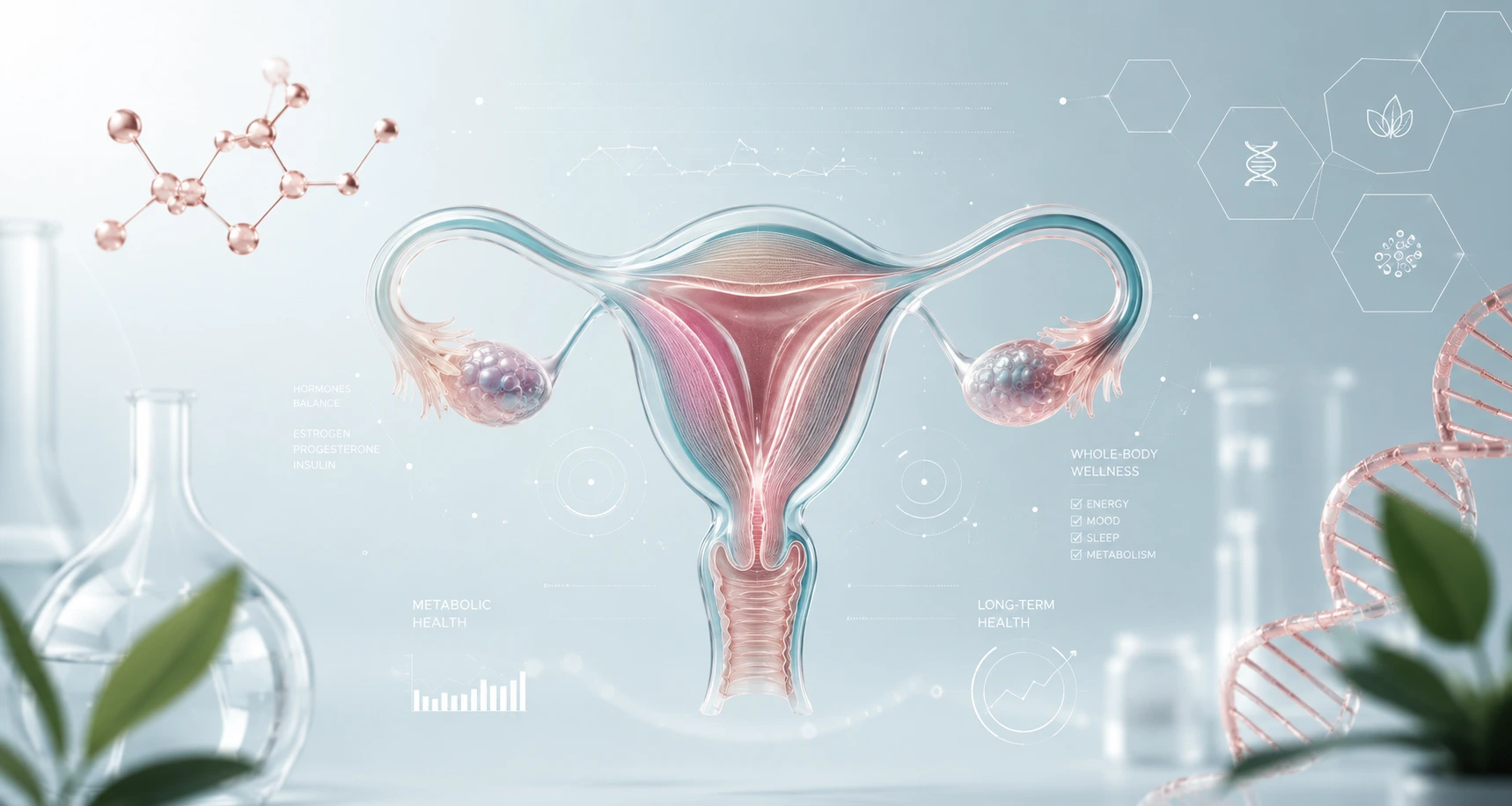
Perimenopause is the stage leading up to menopause and often begins in a woman's 40s, though timing varies. During this phase, ovarian hormone production becomes irregular, particularly estradiol and progesterone. Rather than declining steadily, hormone levels fluctuate, making symptoms unpredictable.
Common experiences during perimenopause include irregular cycles, sleep disruption, mood changes, hot flashes, and shifts in energy. Weight gain is also frequently reported and may appear earlier than other symptoms.
How Hormonal Changes Contribute to Perimenopause and Weight Gain
Hormones regulate metabolism, appetite, fat storage, and muscle maintenance. During perimenopause, several key hormones shift simultaneously.
Declining Estradiol Levels
Estradiol plays a role in insulin sensitivity, energy balance, and fat distribution. As levels fluctuate and gradually decline, the body may store fat more easily, particularly in the abdominal area.
Research from the National Institutes of Health links lower estrogen levels with changes in body composition and metabolic efficiency, helping explain weight changes that occur without lifestyle differences.
Progesterone Fluctuations
Progesterone often declines earlier than estradiol. Lower levels may contribute to bloating, fluid retention, appetite changes, and disrupted sleep. Poor sleep quality can affect hunger regulation and increase cravings, indirectly influencing weight gain.
Increased Cortisol Sensitivity
During perimenopause, the body may respond more strongly to stress. Prolonged cortisol exposure supports fat storage, especially around the midsection, and can influence blood sugar regulation. The American Psychological Association highlights the connection between chronic stress, hormones, and metabolic health .
Changes in Metabolism During Perimenopause
Hormonal shifts during perimenopause can accelerate age-related metabolic changes.
Loss of Lean Muscle Mass
Muscle helps maintain metabolic rate. Fluctuating hormone levels combined with reduced resistance training may contribute to gradual muscle loss. When clinically appropriate, hormone therapy may support muscle maintenance. This connection is explored further in how hormone therapy can help women maintain muscle mass.
Reduced Insulin Sensitivity
Insulin sensitivity may decline during midlife, making it easier for excess glucose to be stored as fat. This change is common and often manageable with lifestyle adjustments. The Centers for Disease Control and Prevention explains how hormonal transitions can influence metabolic function during midlife.
Lifestyle Factors That Influence Weight Gain in Perimenopause
Hormones influence weight changes, but daily habits still play an important role.
Sleep Disruption
Sleep disturbances are common during perimenopause due to night sweats, anxiety, and hormonal shifts. Inadequate sleep affects appetite regulation, energy levels, and exercise recovery, all of which influence weight management.
Changes in Physical Activity
Fatigue, time constraints, or joint discomfort may lead to reduced activity during midlife. Lower activity combined with hormonal changes increases the likelihood of weight gain. Strength training becomes especially important during perimenopause to preserve lean muscle and support metabolism.
Gut Health and Hormone Balance
Gut health influences how hormones are metabolized and eliminated. An imbalanced microbiome may affect estrogen metabolism and overall metabolic health. This relationship is explored further in the connection between gut health and female hormones .
Why Weight Gain Often Centers Around the Abdomen
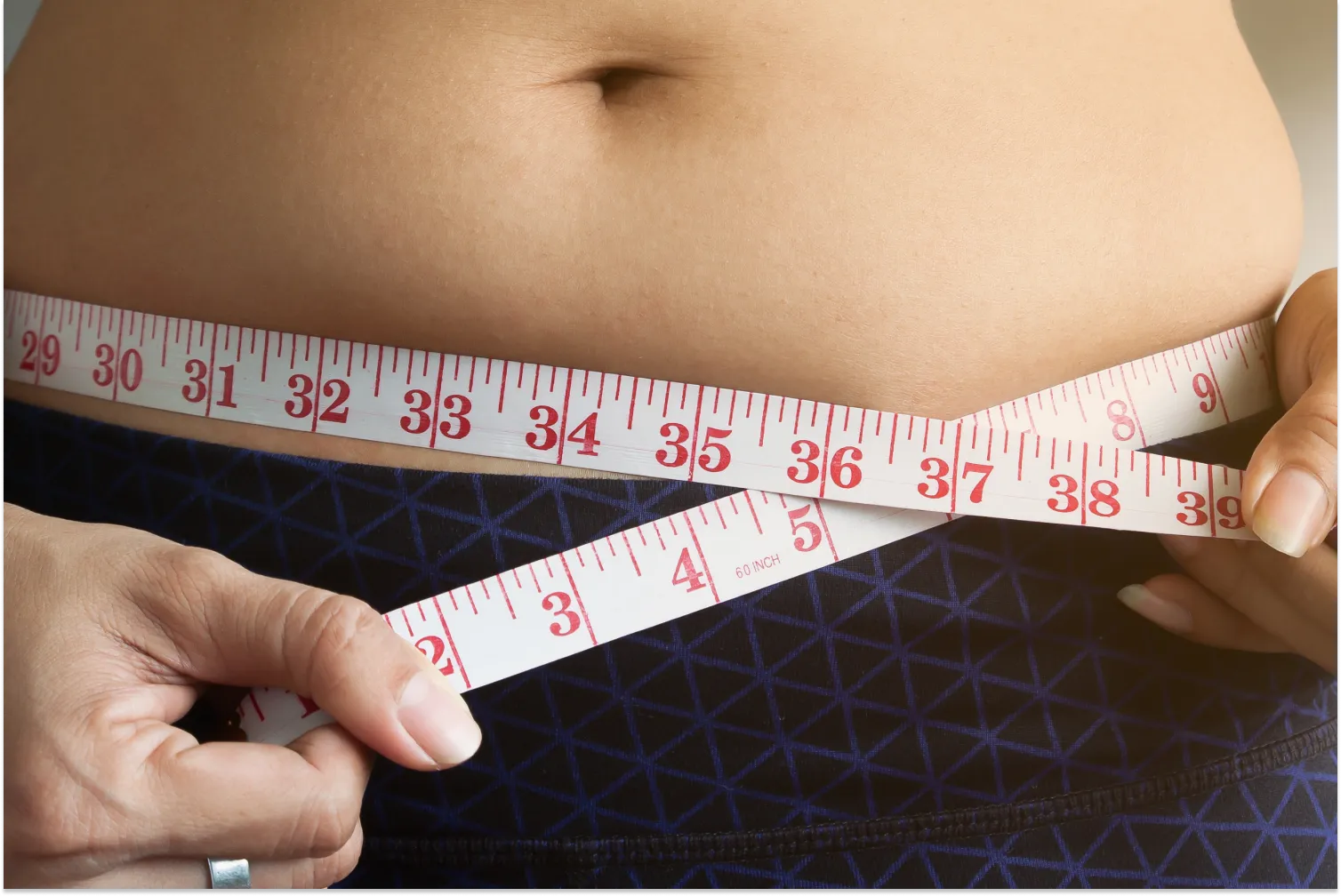
Many women notice that perimenopausal weight gain primarily affects the midsection. Declining estradiol levels and increased cortisol sensitivity influence how fat is distributed. Abdominal fat responds differently to hormonal signals than fat stored elsewhere, making this pattern a common physiological response during midlife.
Can Hormone Therapy Support Weight Management?
Hormone therapy is not a weight loss treatment, but it may support metabolic health when appropriately prescribed. Stabilizing hormone levels can help address some of the underlying drivers of perimenopause and weight gain. Personalized care is essential, as hormone needs vary based on symptoms, labs, and goals.
Practical Strategies To Support a Healthy Weight During Perimenopause
While hormonal changes are inevitable, certain habits support metabolic balance.
- Prioritize protein and fiber to support muscle maintenance, blood sugar balance, and satiety
- Incorporate strength training two to three times per week to preserve lean muscle mass
- Manage stress proactively with movement, mindfulness, and adequate recovery
- Support thyroid health, as thyroid hormones influence metabolism. Symptoms are discussed further in Thyroid Dysfunction Symptoms Every Woman Should Know
When To Seek Professional Guidance
If weight gain feels sudden, persistent, or resistant to lifestyle changes, professional evaluation can provide insight. Comprehensive hormone testing can assess estradiol, progesterone, cortisol, thyroid hormones , and metabolic markers. Personalized plans help address root causes rather than relying on restrictive diets or excessive exercise.
Frequently Asked Questions
Is weight gain inevitable during perimenopause?
Weight gain is common during perimenopause, but it is not inevitable. Hormonal fluctuations can make weight maintenance more challenging, especially around the abdomen. With supportive lifestyle strategies and personalized hormone care, many women are able to maintain a healthy weight and body composition during this transition.
Why does perimenopausal weight gain seem to focus on the belly?
Changes in estradiol levels influence how and where the body stores fat. As estrogen declines, fat storage often shifts toward the midsection. Increased sensitivity to stress hormones like cortisol can also contribute to abdominal weight changes during perimenopause.
Can diet alone fix perimenopause and weight gain?
Diet plays an important role, but it is rarely the only factor. Hormonal shifts, sleep quality, stress levels, and muscle mass all influence metabolism during perimenopause. A comprehensive approach that addresses hormones and lifestyle factors is often more effective than dietary changes alone.
Does exercise help with weight gain during perimenopause?
Yes. Strength training is especially important during perimenopause because it helps preserve lean muscle mass and supports metabolic health. Combining resistance training with regular movement, adequate recovery, and proper hormone replacement therapy can help support healthy weight management.
When should I consider hormone testing?
Hormone testing may be helpful if weight gain is persistent, unexplained, or accompanied by other perimenopausal symptoms such as sleep disruption, fatigue, or cycle changes. Testing provides insight into hormonal patterns and supports personalized care decisions.
Conclusion
Perimenopause and weight gain are closely connected through hormonal fluctuations, metabolic changes, and shifts in body composition. Declining estradiol, muscle loss, increased cortisol sensitivity, and sleep disruption all contribute to the weight changes many women experience during this stage of life.
Understanding these mechanisms removes blame and allows women to take informed steps toward supporting their health. With personalized hormone care, balanced nutrition, strength-focused movement, and stress management, women can navigate perimenopause with confidence and support long-term metabolic wellness.

Get HRT Online
Optimize Your Hormones
Sources:
Stress Effects on the Body | American Psychological Association
Sleep Deprivation and Central Appetite Regulation | National Library of Medicine