Hormone testing for women: what’s included
Your symptoms tell the real story. But to treat you precisely and effectively, we also use an easy, at-home hormone test to give us deeper insight into your health. Here’s what we test and how it helps us treat the real problem, not just the lab result.

Why we test (even though symptoms come first)
Most women are told, “Your labs are normal,” even when they feel anything but. That’s why we lead with what matters most: your symptoms. If you’re exhausted, gaining weight, anxious, or just not feeling like yourself, we don’t ignore it. We listen. Your blood test helps us support that care with real data. It gives our providers a clearer view of what’s going on inside your body and helps us treat you with more clarity and precision.

Your tasso™
at-home hormone test
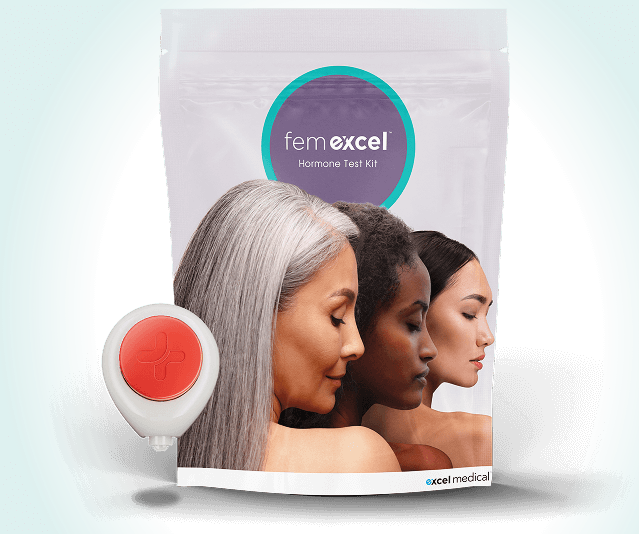
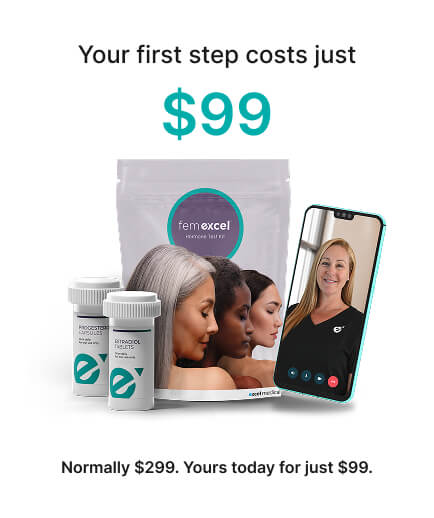
Testing should be simple and stress-free. Our Tasso™ device is a painless, upper-arm tool that uses gentle lancet technology with no needles, no finger pricks, and no lab visits. Place it on your arm, press the button, and it collects a small blood sample in minutes. Seal it in the prepaid package and mail it back. Once we receive your sample, a licensed provider reviews your results and uses them to guide your care based on how you are feeling.
Female hormone panel: what we test for and why it matters
We measure 13 essential hormones and biomarkers tied to energy, weight, mood, skin, sleep, cycles, fertility, libido, and long-term health. Each one tells part of the story. Your symptoms tell the rest.
- Estradiol (E2)
- Progesterone
- Total and Free Testosterone
- DHEA-S (Dehydroepiandrosterone Sulfate)
- LH and FSH (Luteinizing Hormone and Follicle Stimulating Hormone)
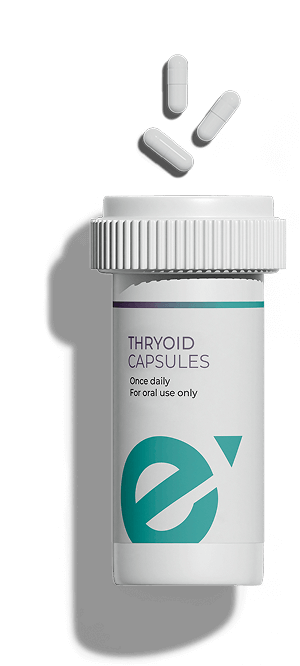
- Free T3 (Triiodothyronine)
- Vitamin D3
- Insulin
- Lipid Profile (Total Cholesterol, HDL, LDL, Triglycerides)
- Creatinine
- PCOS (Polycystic Ovarian Syndrome)
Estradiol (E2)
Estradiol is the most powerful form of estrogen and is essential for mood, memory, vaginal health, skin, and bone density. Low estradiol can cause hot flashes, sleep problems, joint pain, and low libido. We measure estradiol to see how hormonal shifts may be affecting your symptoms.

Progesterone
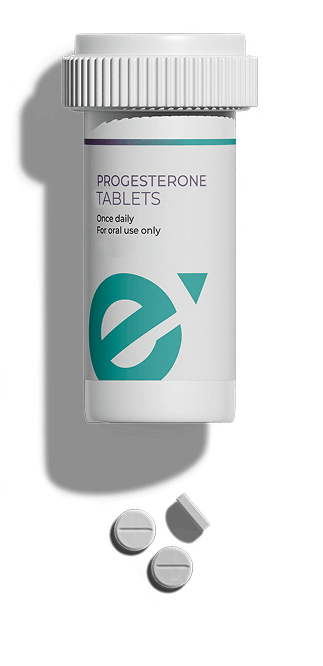
Progesterone is essential for hormone balance, emotional well-being, and healthy menstrual cycles. It plays a central role long before menopause and continues to matter after it. Low levels are linked to anxiety, poor sleep, irregular periods, and hot flashes.
Progesterone naturally declines during perimenopause and menopause as ovarian function decreases. It also drops sharply after childbirth, contributing to mood changes like postnatal depression. Supplementing progesterone can improve sleep, lift mood, reduce hot flashes, and support fertility. It also helps protect bone density and may reduce the risk of breast, uterine, and ovarian cancers.
Progesterone naturally declines during perimenopause and menopause as ovarian function decreases. It also drops sharply after childbirth, contributing to mood changes like postnatal depression. Supplementing progesterone can improve sleep, lift mood, reduce hot flashes, and support fertility. It also helps protect bone density and may reduce the risk of breast, uterine, and ovarian cancers.

Total and Free Testosterone
Testosterone isn’t just a male hormone. Women need it too, and even small imbalances can have a big impact. Low testosterone in women is linked to reduced libido, fatigue, mood swings, and brain fog. It can mimic depression and leave you feeling unmotivated or emotionally flat.
We test both total and free testosterone to see what’s circulating and what’s available to your cells. Optimizing these levels can boost energy, mood, and sexual desire. It may also improve skin elasticity, reduce fine lines, support weight loss, and enhance metabolism.

DHEA-S (Dehydroepiandrosterone Sulfate)
DHEA-S is a precursor hormone that helps your body produce estrogen and testosterone. It declines with age and chronic stress. Low levels may contribute to fatigue, low libido, poor memory, and weight gain. Testing DHEA-S helps us understand how adrenal function and aging might be affecting your hormone health.

LH and FSH (Luteinizing Hormone and Follicle Stimulating Hormone)
LH and FSH are essential reproductive hormones that regulate your menstrual cycle, support ovulation, and maintain ovarian function. FSH stimulates your ovaries to grow follicles (which contain eggs), while LH triggers ovulation and supports the production of key hormones like estrogen and progesterone.
Changes in LH and FSH levels can signal perimenopause, menopause, or hormonal imbalances tied to fertility, irregular periods, and low estrogen. Abnormal ratios can also indicate conditions like PCOS. Testing both gives us insight into your reproductive stage and overall hormone health, helping us tailor treatment to your symptoms and goals.
Changes in LH and FSH levels can signal perimenopause, menopause, or hormonal imbalances tied to fertility, irregular periods, and low estrogen. Abnormal ratios can also indicate conditions like PCOS. Testing both gives us insight into your reproductive stage and overall hormone health, helping us tailor treatment to your symptoms and goals.

Free T3 (Triiodothyronine)
T3 is the most active thyroid hormone and directly affects more than 200 functions in the body. It supports metabolism, brain function, digestion, heart health, muscle strength, and bone maintenance.
Low T3 can contribute to fatigue, brain fog, weight gain, depression, joint pain, and muscle aches—even if your TSH looks “normal.” We test Free T3 specifically to understand how much active thyroid hormone your cells are using, not just what your brain is signaling.
Low T3 can contribute to fatigue, brain fog, weight gain, depression, joint pain, and muscle aches—even if your TSH looks “normal.” We test Free T3 specifically to understand how much active thyroid hormone your cells are using, not just what your brain is signaling.

Vitamin D3
Vitamin D is a hormone, not just a vitamin. It supports immunity, bone health, mood, and metabolic function. Deficiency is common and can worsen symptoms like fatigue, depression, and poor concentration. We test D3 to optimize your levels and overall health.

Insulin
Fasting insulin helps us understand how your body manages blood sugar. High insulin levels are often a sign of insulin resistance, a key factor in PCOS, fatigue, stubborn weight gain, and increased cardiovascular risk. Identifying insulin resistance early allows us to intervene and support better metabolic health.

Lipid Profile (Total Cholesterol, HDL, LDL, Triglycerides)
We test your full lipid panel to assess heart and metabolic health. This includes HDL (“good” cholesterol), LDL (“bad” cholesterol), total cholesterol, and triglycerides. Imbalances may signal insulin resistance, thyroid dysfunction, or hormone-related changes in how your body stores and burns fat. These markers help us understand what’s driving symptoms like low energy, weight gain, and mood shifts, so your treatment plan targets the root cause.

Creatinine
Creatinine is a marker of kidney function. We measure it to ensure that your kidneys are working well before and during treatment. Low or high levels can impact how your body processes hormones and other medications, so this test supports safe, effective care.

PCOS (Polycystic Ovarian Syndrome)
We assess for PCOS by looking at symptoms, lab markers, and menstrual patterns. PCOS affects hormones like testosterone, LH, FSH, and insulin. It’s one of the most common causes of irregular periods, acne, weight gain, hair thinning, and infertility. Understanding your PCOS risk allows us to personalize your treatment plan.

We use labs to guide, not dictate, your care
You are not a number. We don’t use lab results to deny care or check boxes. Instead, we use them to:
- Confirm what your symptoms are telling us
- Personalize your treatment plan
- Monitor your progress
- Keep you supported as your body responds to hormones

Why at-home hormone testing still matters
Most women are told everything looks “normal,” even when they feel anything but. That happens when doctors rely on lab numbers instead of listening to how you feel.
At Fem Excel, your symptoms are always the priority. We use testing to support what your body is already telling us. It helps confirm root causes, guide your dosage, and track your progress over time.
Whether you’re dealing with PCOS, menopause, thyroid symptoms, or you’re somewhere in between, this panel gives our providers the full picture so we can treat you accurately and personally.
At Fem Excel, your symptoms are always the priority. We use testing to support what your body is already telling us. It helps confirm root causes, guide your dosage, and track your progress over time.
Whether you’re dealing with PCOS, menopause, thyroid symptoms, or you’re somewhere in between, this panel gives our providers the full picture so we can treat you accurately and personally.
Backed by our own CLIA-certified lab
Your sample is processed by Excel Medical Labs, our in-house, CLIA-certified diagnostic facility. We don’t outsource testing to third parties. This means you get fast, accurate, high-quality results from a lab that specializes in hormone diagnostics.
With over 20 years of combined lab science experience, our team uses advanced robotic processing and blood spot innovation to ensure every result meets the highest clinical standards.
We own the process from end to end, so you get answers you can trust.
With over 20 years of combined lab science experience, our team uses advanced robotic processing and blood spot innovation to ensure every result meets the highest clinical standards.
We own the process from end to end, so you get answers you can trust.
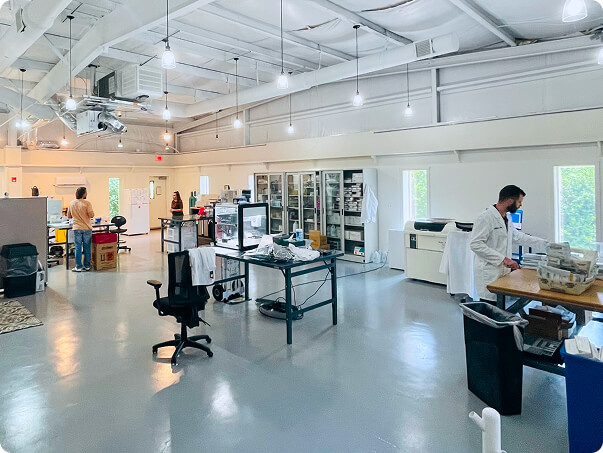
Tested in our own CLIA-certified lab
20 + years of combined lab science experience
Over 110,000 hormone test kits shipped nationwide
Start feeling better, with real answers
Your symptoms aren’t in your head. And they’re not just aging. With Fem Excel, you get a care team that listens to how you feel and backs it with real testing, real treatment, and real results.
Expert care, full results, and a real plan, built for you.
- Tasso™ at-home hormone test kit (no clinic visit required)
- 13 key biomarkers tested to uncover what’s driving your symptoms
- In-depth consultation with a licensed hormone specialist trained in The Excel Advantage™ protocol
- A personalized plan based on your results, how you feel, and where you want to be
Frequently asked questions
Do you take insurance?
We do not accept insurance because most plans don’t cover the kind of proactive, personalized hormone care we provide. Traditional insurance is built around quick, reactive, one-size-fits-all treatments and not comprehensive hormone optimization that prevents issues before they start. However, you may be able to use your FSA, HSA, or HRA for reimbursement. Need more details? Call Member Support at (833) 625-3392 Monday–Sunday, 8 AM – 8 PM EST.
Read more here.
Can I take my Fem Excel treatment plan to my Primary Care Provider (PCP)?
You’re welcome to share your plan, but most PCPs aren’t trained in hormone optimization or the use of bioidentical hormones, which means they may not feel comfortable continuing or managing your treatment. Many rely strictly on lab ranges, prescribe only synthetic hormones, or are limited by insurance restrictions that prevent personalized care. At Fem Excel, our providers are hormone specialists who focus on treating the root cause using protocols designed specifically for women. For the safest and most effective results, we recommend continuing your care within the Fem Excel program.
How do I order my at-home hormone test kit?
- Take the Free Assessment – Share your symptoms and health history.
- Have a Virtual Consult – Meet with a hormone expert online. If prescribed, treatment can start right away.
- Get Your At-Home Lab Kit – Sent after your consultation to give deeper insight into your hormones.
- Refine Your Plan – Once results are in, your provider will adjust your treatment if needed.
Why do I need a hormone test?
Our at-home test measures up to 13 key biomarkers, including estrogen, progesterone, testosterone, thyroid function, and cortisol levels. These results allow our providers to refine your treatment plan tailored to your unique needs.
What is the best hormone test for women?
The Fem Excel at-home hormone test measures key biomarkers, including:
- Estrogen (Estradiol): for mood, bone health, and skin
- Progesterone: for sleep, cycle balance, and mood stability
- Testosterone: for energy, libido, and muscle strength
- Thyroid hormones (TSH, Free T3, Free T4): for metabolism, weight, and energy
- Cortisol: for stress response and adrenal health
- Other biomarkers, like SHBG and DHEA, are used when clinically indicated
How accurate are at-home hormone tests?
Our at-home hormone test analyzes the same key biomarkers, including estrogen, progesterone, testosterone, thyroid hormones, cortisol, and others like SHBG and DHEA in CLIA-certified labs for clinical accuracy. Every result is reviewed by experienced hormone specialists to ensure precision and reliability.
Is the Tasso+ at-home blood collection device FDA-approved?
The Tasso+ device is FDA-registered and CLIA-compliant, meaning it meets strict quality and safety standards for at-home blood collection. It has been used in clinical studies and healthcare programs to deliver accurate and reliable results for hormone testing.
How long does it take to see results?
Most women begin to notice improvements in energy, sleep, and mood within the first 4 to 6 weeks. Full hormone optimization, along with changes in weight, muscle tone, strength, and body composition, may take up to 4 to 6 months.
How often do I need to test my hormones?
Every 6 months. Follow-up testing is included in your membership so your provider can keep your treatment personalized and make adjustments if needed.
Can I switch to Fem Excel if I’m already undergoing treatment elsewhere?
Yes, we can seamlessly transition you to Fem Excel! You’ll need to complete our enrollment process, which includes an at-home hormone test and an online consultation. For more information, contact us at 833-625-3392 or text 833-394-7744.
What states do you cover?
Our medical providers prescribe testosterone treatment in all states except Arkansas, Connecticut, Hawaii, Idaho, Louisiana, New Hampshire, and Rhode Island.
Start assessment
Find relief from symptoms of PCOS, menopause, and weight challenges with treatments designed just for you.
Ready to take the first step? Discover what your hormones are telling you with our free assessment.
Ready to take the first step? Discover what your hormones are telling you with our free assessment.