
- Lifestyle habits such as balanced nutrition, maintaining a healthy body weight, managing stress, prioritising sleep, and engaging in moderate exercise can help support healthy estrogen levels.
- Certain foods and nutrients, including phytoestrogen-rich foods, healthy fats, and adequate vitamin D intake, may help support estrogen balance.
- For women in their 30s to 50s experiencing persistent signs of low estrogen, a comprehensive hormone panel and personalised care plan from Fem Excel can help determine whether lifestyle changes alone are sufficient or if hormone therapy may be appropriate.
Estrogen plays a central role in many aspects of women's health, from menstrual regularity and bone strength to mood, metabolism, and overall vitality. As our bodies change with age and life demands, estrogen levels can fluctuate. That raises a question many women ask themselves: How can I raise estrogen levels quickly and safely?
While symptoms and timing vary, estrogen decline is a normal and expected part of aging for all women. The question is not if estrogen levels change, but how those changes affect your health, quality of life, and long-term risk profile.
At Fem Excel, we believe in a thoughtful, science-informed approach to hormone health. That's why we partner with leading medical experts to ensure hormone care is evidence-informed. Dr. Lorna Brudie, our Chief Medical Officer and hormone health lead, guides the development of personalized plans that address root causes while balancing metabolic, reproductive, and thyroid health.
However, before pursuing hormone therapy, many women benefit from foundational lifestyle adjustments. In this article, we explore evidence-based strategies to support estrogen balance naturally and provide guidance on when additional intervention may be appropriate.
Why Supporting Estrogen Matters
Because estrogen production and regulation are influenced by diet, stress, body composition, sleep, and overall health, levels naturally fluctuate across different life stages, including perimenopause, menopause, and postmenopause. Over time, estrogen levels decline for all women. When levels become persistently low or fluctuate unpredictably, this shift may contribute to noticeable symptoms and long-term health changes. Supporting estrogen is often about restoring balance early, while recognising when age-related hormonal changes benefit from medical guidance.
Estrogen influences many systems beyond reproduction. It helps regulate bone health, cardiovascular function, metabolic processes, mood, and skin health.
Because estrogen production and regulation are influenced by diet, stress, body composition, sleep, and overall health, levels naturally fluctuate across different life stages, including perimenopause, menopause, and postmenopause. When estrogen becomes persistently low or erratic, it may contribute to noticeable symptoms. Supporting estrogen naturally is often about restoring overall balance, while recognising when long-term hormonal changes benefit from medical guidance.
Natural Lifestyle Strategies To Support Estrogen
Balanced Nutrition & Phytoestrogen-Rich Foods
One of the most accessible ways to support estrogen is through a well-balanced diet. Some plant-based foods contain phytoestrogens, compounds that can weakly mimic or support estrogen activity in the body. Foods associated with phytoestrogen content include soy (tofu, tempeh, edamame), legumes, flaxseeds, sesame seeds, nuts, and whole grains.
Incorporating these foods as part of a balanced diet, along with healthy fats and fiber, can support hormone balance. For example, flaxseeds provide lignans, a type of phytoestrogen, and beneficial fiber. That said, phytoestrogens are not a substitute for the body's natural estrogen production. Their effects tend to be modest and vary for each individual.
Ensure Adequate Intake of Key Nutrients
Certain vitamins and minerals play a supportive role in hormone synthesis and balance. Nutrients such as vitamin D, vitamin B complex, and healthy dietary fats can support healthy endocrine function. Ensuring sufficient micronutrients through a diverse, whole-food diet supports overall hormone health.
Maintain a Healthy, Balanced Body Composition
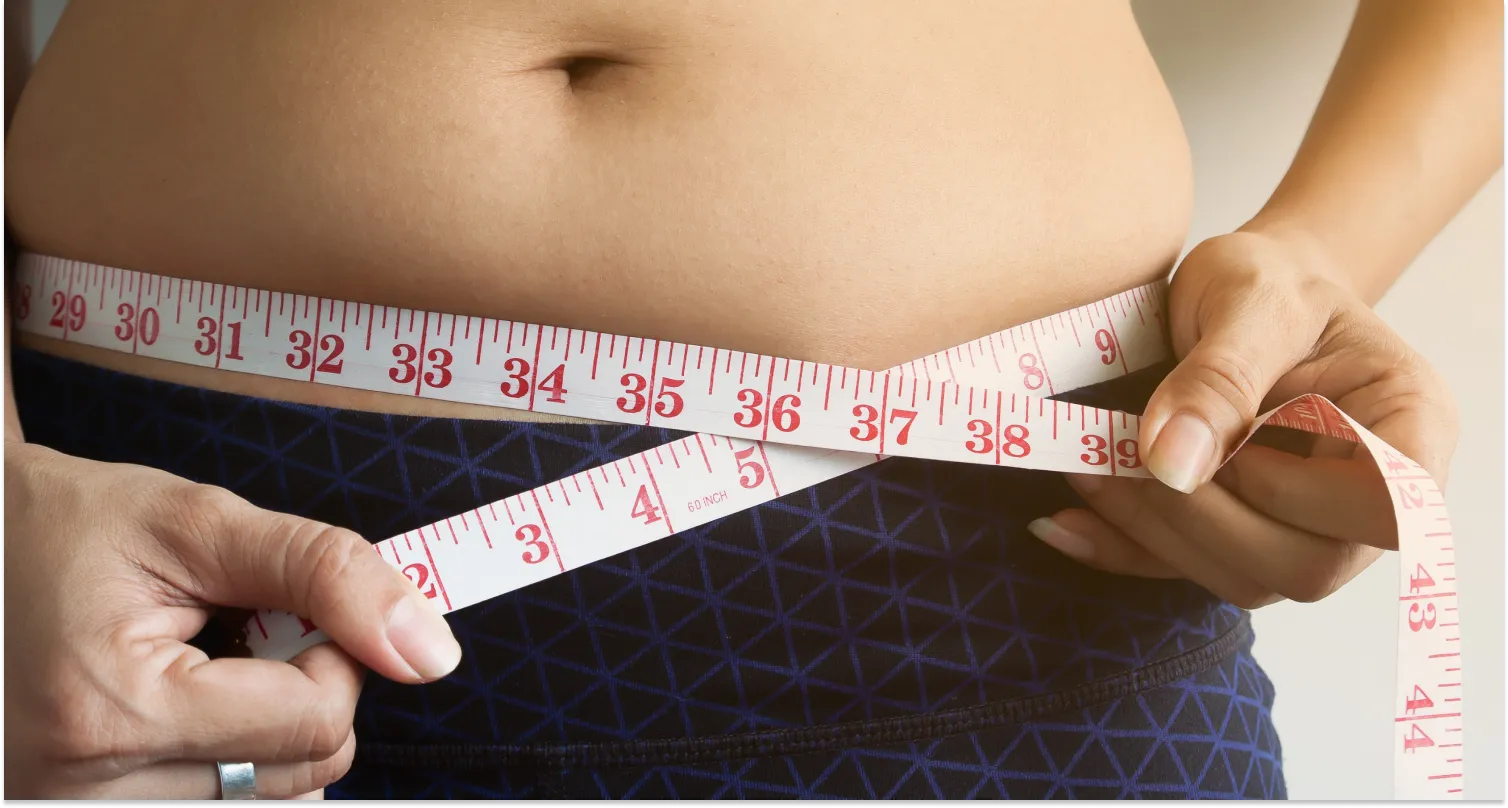
Body composition influences hormone production and balance. Very low body fat or excessive body fat can both disrupt estrogen balance because fat tissue plays a role in hormone storage and conversion.
Regular, moderate exercise helps maintain healthy body fat levels while supporting metabolism, circulation, and hormonal regulation. Activities like brisk walking, yoga, or light strength training, combined with healthy nutrition, support overall balance.
Prioritize Quality Sleep and Stress Management
Sleep is fundamental to hormone regulation. Poor or insufficient sleep can disrupt the delicate hormonal signaling that supports estrogen balance.
Chronic stress and elevated stress hormones can interfere with sex hormone production and balance. Incorporating stress-reducing practices like meditation, gentle movement, or mindfulness may support hormonal health over time.
Lifestyle strategies can meaningfully support estrogen balance, especially in earlier stages of hormonal change. However, as estrogen production continues to decline with age, many women reach a point where lifestyle support alone is no longer sufficient to maintain optimal hormone levels.
When To Consider Medical or Therapeutic Options
While lifestyle and nutrition can support healthy estrogen balance, sometimes levels remain low, especially as women age or as individual circumstances change. In those cases, it may be appropriate to consider medical evaluation, lab testing, and potentially hormone therapy under clinical guidance.
At Fem Excel, we review your symptoms, labs, health history, and goals. If relevant, we may recommend hormone therapy, but only when medically appropriate and always under careful monitoring. This allows us to tailor each plan to your unique physiology and life stage.
For some women, lifestyle adjustments alone are enough. For others, hormone therapy offers a path to balance, especially when combined with healthy habits for the best long-term results.
Potential Limitations and Why "Quick Fixes" Are Rare
We know it can be tempting to look for a quick fix when estrogen feels low. However, the body's hormone production is complex, and sudden changes through diet, herbs, or supplements seldom lead to lasting, meaningful increases in natural estrogen levels.
For instance, while phytoestrogen-rich foods may modestly influence estrogen activity, their effect tends to be mild and variable. Similarly, many over-the-counter supplements marketed to boost estrogen are not regulated, and scientific evidence supporting their safety and efficacy is limited.
That's why at Fem Excel, we approach hormone support with caution, focusing on sustainable, balanced strategies rather than quick, unproven fixes.
How Fem Excel Supports You
At Fem Excel, we believe in individualized, evidence-informed hormone care. Our team, under clinical oversight from Dr. Lorna Brudie, works with clients to:
- Review lifestyle, diet, stress, sleep, and health history
- Order and interpret comprehensive hormone and metabolic labs
- Design a tailored plan combining nutrition, lifestyle changes, monitoring, and, if needed, hormone therapy
Frequently Asked Questions
Can phytoestrogen foods raise estrogen quickly?
Phytoestrogen-rich foods may modestly support estrogen activity, but their effect is usually gentle and gradual rather than a quick spike. Their influence also varies by individual.
Is it safe to use herbal estrogen supplements?
Herbal or "natural" supplements are not regulated the same way as prescription medications. Their impact on hormone levels is often uncertain. If considering supplements, consult a licensed clinician, ideally via a program like Fem Excel that includes lab monitoring.
Will exercise or body fat changes affect estrogen levels?
Yes. Maintaining a healthy balance of body fat and regular moderate exercise helps support metabolic and hormonal health. Very low body fat or excessive weight may disrupt hormone balance.
When should I consider hormone therapy rather than lifestyle changes alone?
If you experience persistent symptoms such as low energy, irregular cycle, or low estrogen symptoms despite healthy lifestyle habits, and lab testing confirms low estrogen, hormone therapy may be an option. A personalized plan with professional oversight is essential.
Conclusion
Because estrogen decline is a normal part of aging, supporting hormone balance is not about chasing youth, but about protecting long-term health, strength, and quality of life.
If you are asking how you can raise estrogen levels quickly, remember that healthy, sustainable hormone balance rarely comes from a single quick fix. Supporting estrogen involves a foundation of balanced nutrition, healthy lifestyle habits, stress and sleep management, and mindful self-care.
At Fem Excel, we help women understand where lifestyle support ends and medical guidance may begin. If you are experiencing symptoms or want clarity about your estrogen levels, a hormone panel and comprehensive evaluation can provide clear answers and a personalised path forward.
The sooner hormonal changes are identified, the more effectively they can be addressed. With the right support, you can protect healthy estrogen levels not just temporarily, but in a way that promotes long-term balance, vitality, and overall well-being.

Take the Free Hormone Assessment
Optimize Your Hormones
Sources:
Estrogen: Hormone, Function, Levels & Imbalances | Cleveland Clinic
12 Natural Ways to Boost Estrogen in Your Body and When to Get Medical Help | Healthline
How To Increase Estrogen Naturally | UCLA Health