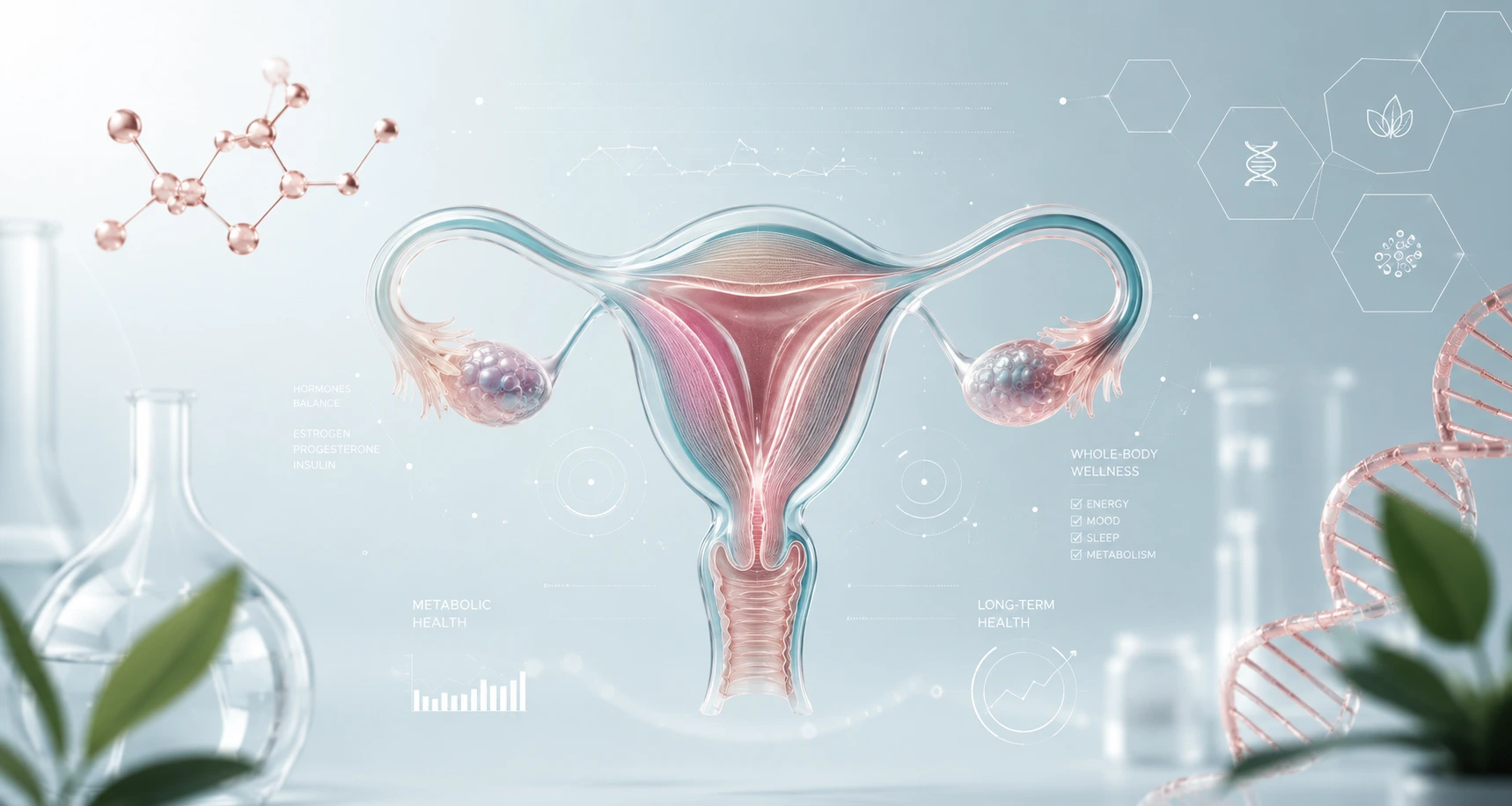

- Estrogen Supports the Cardiovascular System: Estrogen regulates cholesterol, reduces inflammation, and supports blood vessel health.
- Estrogen Helps Protect Against Heart Disease: It improves cholesterol balance, reduces arterial stiffness, and enhances blood flow through nitric oxide production.
- Cardiovascular Risk Rises After Menopause: Lower estrogen levels lead to unfavorable cholesterol changes, higher blood pressure, and increased abdominal fat.
- PCOS Disrupts Hormonal Balance and Increases Risk of Heart Disease: Insulin resistance, inflammation, and lipid imbalances compound cardiovascular strain.
- Daily Habits Impact Hormone-Related Heart Risk: Diet, exercise, sleep, and stress management all influence estrogen's effect on the cardiovascular system.
- Hormone Therapy May Support Heart Health: Starting HRT early in menopause may offer protective benefits, but it is not right for everyone.
- Hormonal Heart Risk Often Shows Up Subtly: Symptoms like fatigue, palpitations, and sleep issues may point to cardiovascular strain during hormonal changes.
- Simple Lifestyle Changes Can Protect Your Heart: A balanced diet, regular movement, stress reduction, and key supplements can support both hormones and heart function.
- Expert Support Helps You Connect the Dots: A hormone-aware provider can assess your heart risk and create a personalized plan to support long-term wellness.
When most women think about estrogen, they associate it with periods, pregnancy, or menopause. But this powerful hormone does far more than regulate your reproductive cycle.
Estrogen plays a vital role in protecting your heart, too, and when levels shift during perimenopause, menopause, or in hormonal conditions like PCOS, your cardiovascular risk can quietly rise.
Heart disease is the leading cause of death for women in the United States, yet many don't realize that the drop in estrogen that comes with age (or the hormonal imbalances associated with PCOS) can have a direct impact on heart health. From influencing cholesterol levels to supporting the flexibility of blood vessels, estrogen is your cardiovascular system's silent partner.
In this article, we'll explore the intricate connection between estrogen and heart health: how it works, what happens when levels decline, and what you can do to support your heart through every hormonal phase.
Understanding Estrogen's Role In The Body
Estrogen may most often be thought of as a female hormone, but its reach extends far beyond the reproductive system. It influences nearly every tissue and organ in the body, including the heart.
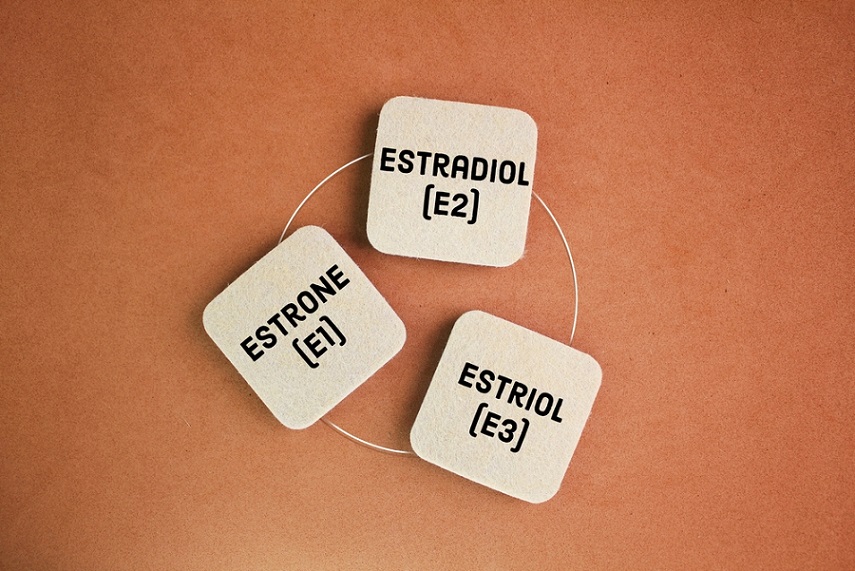
There are three main types of estrogen:
- Estradiol (E2): The most common type in women of reproductive age, and the most potent.
- Estriol (E3): Primarily produced during pregnancy.
- Estrone (E1): The main form found in the body after menopause.
Estrogen is produced mainly by the ovaries, but smaller amounts are also made by the adrenal glands and fat tissue. Once released, estrogen travels through the bloodstream and binds to estrogen receptors found throughout the body, including the brain, bones, skin, and importantly, the cardiovascular system.
In the context of heart health (1), estrogen helps blood vessels stay flexible and responsive, regulates cholesterol production and metabolism, reduces inflammation, and may even play a role in controlling how the body uses glucose and fat for energy.
This multi-system impact is why hormonal fluctuations (especially drops in estrogen during menopause or irregular levels in PCOS) can have such a pronounced effect on cardiovascular health.
Estrogen's Effect On The Cardiovascular System
Estrogen's influence on heart health is well-documented, and it begins at the cellular level.
One of its most important cardiovascular functions is helping blood vessels relax and expand, thereby supporting smooth circulation and healthy blood pressure (2). This is largely due to estrogen's ability to stimulate the production of nitric oxide, a compound that helps dilate blood vessels and improve blood flow.
Estrogen also acts as a natural anti-inflammatory and antioxidant within the vascular system (3). It reduces the buildup of plaque in the arteries, protects against oxidative stress (a key factor in the development of atherosclerosis), and helps prevent the stiffening of arterial walls.
Another major benefit of estrogen lies in how it regulates cholesterol and lipid profiles. It tends to raise levels of HDL (“good†cholesterol), which helps clear excess LDL (“bad†cholesterol) from the bloodstream. When estrogen levels are optimal, this balance supports a lower risk of heart attack and stroke.
Estrogen also plays a role in how the body manages glucose and insulin (4), both of which are key to metabolic health. By improving insulin sensitivity, estrogen helps prevent the kind of metabolic dysfunction that often leads to cardiovascular issues. This is especially true in women with PCOS, who are already more prone to insulin resistance.
Finally, estrogen has been shown to influence the electrical activity of the heart and may play a role in maintaining a normal heart rhythm. This could help explain why the risk of arrhythmias like atrial fibrillation rises after menopause.
What Happens To Heart Health When Estrogen Drops?
For many women, menopause marks a significant turning point in their overall health, and the heart is no exception.
As estrogen levels decline during perimenopause and fall sharply after menopause, the protective effects this hormone once provided begin to fade. The result? A noticeable increase in cardiovascular risk. One of the most immediate changes is in cholesterol balance.
Without estrogen's regulatory influence, LDL ("bad") cholesterol often rises, HDL ("good") cholesterol may drop, and triglycerides can increase. These shifts in lipid levels can lead to plaque buildup in the arteries (a process known as atherosclerosis) that significantly raises the risk of heart attack and stroke.
Blood pressure is also affected. Estrogen helps blood vessels stay elastic and responsive, which allows them to expand and contract efficiently. As estrogen decreases, arteries can stiffen, contributing to higher blood pressure and increased strain on the heart.
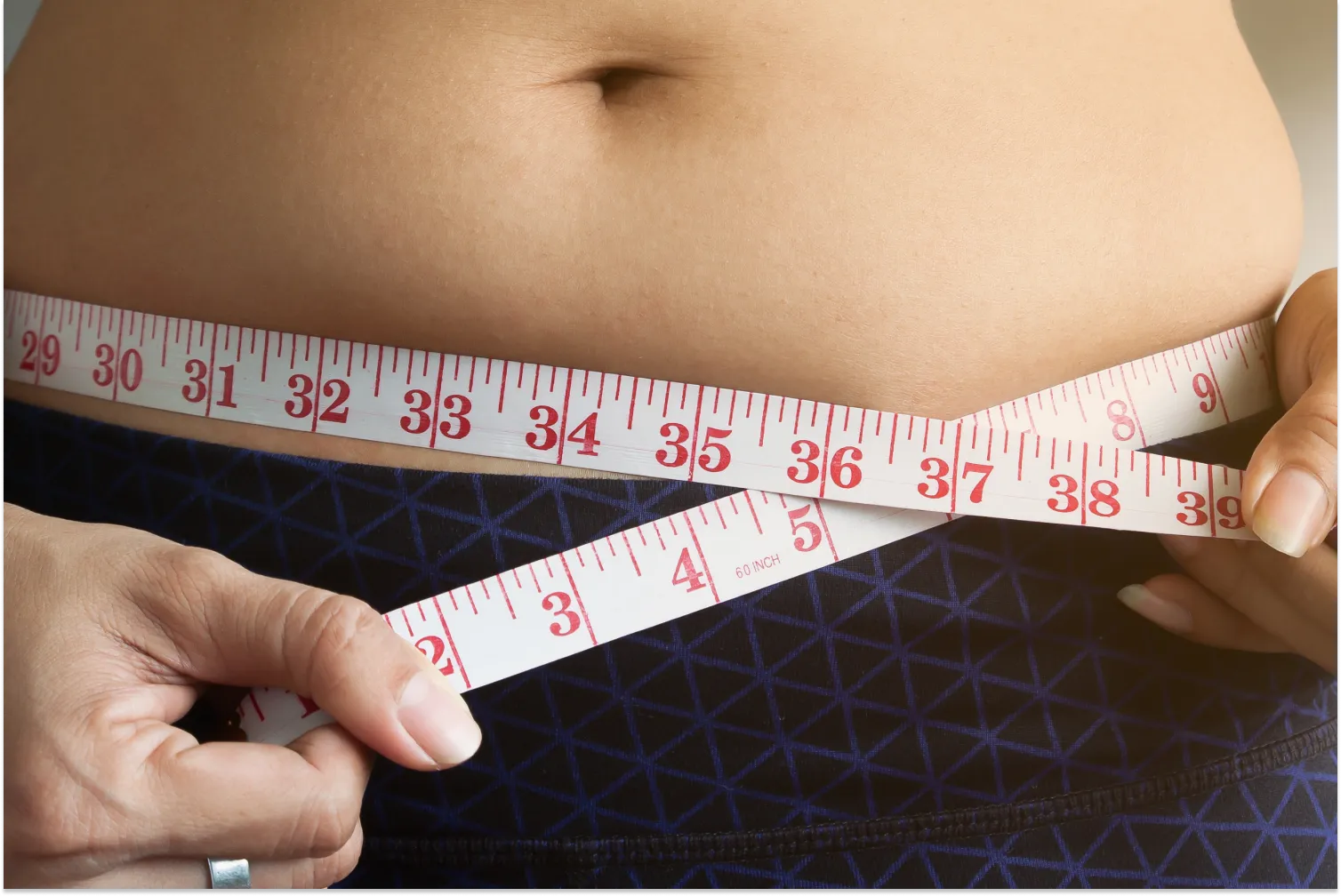
Women may also experience changes in body fat distribution, with more fat accumulating around the midsection after menopause. This abdominal or visceral fat is more closely linked to insulin resistance and cardiovascular disease than fat stored elsewhere.
It's important to note that cardiovascular disease risk rises sharply within 5 to 10 years of menopause onset, and heart attacks become more common in women after age 50 (5). For years, women were thought to be “protected†from heart disease until older age, but in reality, estrogen's decline is what removes that protective barrier.
The Link Between PCOS, Estrogen Imbalance, And Heart Health
Polycystic ovary syndrome (PCOS) is one of the most common hormonal disorders among women of reproductive age, and it comes with a unique set of cardiovascular concerns (6).
Unlike menopause, where estrogen levels decline, PCOS is often characterized by estrogen dominance, where estrogen is present in the body but is not balanced by sufficient levels of progesterone. This imbalance, paired with elevated androgens and insulin resistance, can have long-term consequences for heart health.
One of the primary cardiovascular concerns in women with PCOS is insulin resistance. Even in lean women with PCOS, the body often struggles to use insulin effectively, which can lead to high blood sugar levels, increased fat storage, and eventually, type 2 diabetes, all of which raise the risk of heart disease.
Estrogen typically improves insulin sensitivity, but when the hormonal environment is disrupted, as it is in PCOS, this benefit can be diminished. Chronic low-grade inflammation is another hallmark of PCOS. Inflammation plays a big role in the development of atherosclerosis (hardening and narrowing of the arteries), and over time, it can damage blood vessel walls and impair circulation.
Additionally, many women with PCOS have unfavorable lipid profiles, with higher levels of LDL cholesterol and triglycerides and lower levels of HDL cholesterol, even in the absence of overt symptoms. This mirrors the type of cholesterol changes often seen post-menopause and further increases cardiovascular risk.
Estrogen levels in PCOS may fluctuate or remain consistently elevated, but the key issue is the hormonal imbalance, particularly the lack of cyclical progesterone. This imbalance can disrupt the finely tuned hormonal signals that support heart health.
Lifestyle Factors That Interact With Heart Health And Estrogen
While estrogen plays a powerful biological role in protecting the heart, it's not working in isolation.
From what you eat to how much you move, your daily lifestyle choices can either support or undermine estrogen's cardiovascular benefits. During times of hormonal change, like perimenopause, menopause, or in women with PCOS, these factors become even more important.
Body Composition
Body composition is one of the clearest ways lifestyle intersects with estrogen and heart health. Estrogen helps regulate fat distribution, but as levels shift, especially after menopause, fat tends to accumulate around the midsection.
Visceral fat (fat stored around the organs) is particularly harmful and is linked to higher rates of insulin resistance, inflammation, and heart disease. Maintaining a healthy weight through diet and exercise can help counteract this shift.
Diet
Diets high in processed foods, sugar, and unhealthy fats can worsen inflammation and disrupt metabolic function, compounding the effects of low or imbalanced estrogen.
On the other hand, heart-friendly diets rich in whole grains, leafy greens, lean proteins, and healthy fats (like those found in olive oil and fatty fish) can help balance hormones and support cardiovascular health.
Physical Activity
Physical activity is a natural ally of estrogen. Regular exercise improves insulin sensitivity, lowers blood pressure, supports a healthy weight, and boosts HDL cholesterol levels. It also helps manage stress and improve sleep, both of which affect hormonal balance and heart health.
Stress
Chronic stress is another factor that shouldn't be overlooked. High cortisol levels can interfere with estrogen production, promote belly fat accumulation, and increase blood pressure.
Stress management practices like yoga, deep breathing, meditation, or even regular walks can support hormonal harmony.
Harmful Lifestyle Choices
Lastly, smoking, excessive alcohol use, and poor sleep are lifestyle choices that accelerate cardiovascular aging and disrupt hormone regulation. Avoiding these risk factors is extremely important, especially as estrogen's natural protection fades.
Your lifestyle can either amplify estrogen's natural heart-protective effects or make you more vulnerable when hormonal shifts occur. The good news? You have a great deal of control over these daily choices and they add up over time.
Can Hormone Therapy Protect The Heart?
With the rise in cardiovascular risk after menopause, many women wonder: Can hormone therapy help protect the heart by restoring estrogen levels?
The answer isn't entirely straightforward. Hormone replacement therapy (HRT), which includes estrogen alone or combined with progesterone, can offer a range of benefits, but timing, delivery method, and individual health history all matter.
Research shows that estrogen therapy started early in menopause, typically within 10 years of a woman's final period, may offer cardiovascular protection (7). However, if started later in life (especially more than 10 years after menopause) the risks may outweigh the benefits.
In older women or those with existing heart disease, HRT may increase the risk of heart attack, stroke, or blood clots. Delivery method also plays a role. Transdermal estrogen (patches, gels, creams) bypasses the liver and is associated with fewer clotting risks than oral estrogen.
Micronized progesterone is often preferred for its lower risk profile compared to synthetic progestins. It's important to keep in mind: Not every woman is a candidate for hormone therapy. Women with a history of hormone-sensitive cancers, blood clots, or certain heart conditions may need to explore non-hormonal strategies instead.
This is why individualized care is essential. At Fem Excel, we take a nuanced approach to HRT by evaluating not just your hormone levels, but your cardiovascular risk, family history, and personal goals.
For many women, especially those navigating early menopause or complex conditions like PCOS, the right hormone strategy can make a meaningful difference in both quality of life and long-term heart health.
Recognizing Early Warning Signs
Heart disease in women doesn't always look like it does in men, and when hormonal shifts are involved, the signs can be even more subtle.
As estrogen levels decline or become imbalanced, your body may send early signals that something isn't quite right with your cardiovascular system. The key is learning to recognize them before they escalate.
Common signs that could be related to heart health and hormonal shifts include:
- Fatigue that feels persistent and unexplained
- Shortness of breath during light activity
- Heart palpitations or fluttering sensations
- Dizziness or lightheadedness
- Chest discomfort (often not the classic “crushing chest pain†but rather pressure, burning, or tightness)
- Sleep disturbances, especially when paired with night sweats or anxiety
- Unusual swelling in the feet, ankles, or legs
These symptoms are often brushed off as normal parts of aging, menopause, or stress, but they may actually be early signs of cardiovascular strain. For women with PCOS, symptoms may appear earlier in life and be mistakenly attributed to hormonal issues alone, without considering the cardiovascular impact.
It's also important to monitor changes in lab work. Rising blood pressure, shifting cholesterol levels, increased fasting glucose or insulin resistance, and weight gain around the abdomen are all red flags, especially when occurring around the time of menopause or in women managing PCOS.

How To Support Heart Health During Hormonal Transitions
You have real power to protect your heart. Even as estrogen levels shift, lifestyle and wellness choices can support cardiovascular function and reduce risk.
Here are evidence-backed strategies for supporting your heart during hormonal transitions:
1. Eat For Heart And Hormone Health
- Embrace a Mediterranean-style diet rich in vegetables, fruits, whole grains, lean protein (especially fatty fish), nuts, seeds, and olive oil.
- Minimize added sugars, refined carbohydrates, and highly processed foods, which contribute to inflammation and metabolic dysfunction.
- Include foods that naturally support hormone balance, such as flaxseeds, leafy greens, and fermented foods.
2. Move Regularly And Intentionally
- Aim for 150 minutes of moderate exercise per week, such as brisk walking, swimming, or cycling.
- Add strength training at least twice a week to support muscle mass, metabolic health, and bone density.
- Even short bursts of movement during the day can improve blood pressure and reduce stress.
3. Manage Stress Proactively
- Chronic stress raises cortisol levels, which can interfere with estrogen balance and increase cardiovascular risk.
- Practice stress reduction techniques like deep breathing, meditation, yoga, or journaling.
- Prioritize activities that bring you joy and relaxation.
4. Prioritize Sleep
- Aim for 7-9 hours of quality sleep each night. Poor sleep is linked to high blood pressure, insulin resistance, and inflammation.
- If menopause or PCOS symptoms are affecting your sleep, talk to a provider about supportive therapies.
5. Monitor Key Health Markers
- Get regular checkups that include cholesterol levels, blood pressure, glucose/insulin markers, and body composition.
- Keep a log of symptoms and share them with your healthcare provider to track changes over time.
6. Consider Supplements That Support Both Hormones And Heart
- Omega-3 fatty acids (from fish oil or algae) to reduce inflammation and support healthy cholesterol.
- Magnesium, vitamin D, and CoQ10 for blood vessel function and energy metabolism.
- Always speak with a healthcare professional before beginning new supplements, especially if you're on medication.
These lifestyle practices won't replace estrogen, but they can buffer the impact of hormonal shifts, preserve cardiovascular health, and improve your overall quality of life.
When To Seek Professional Guidance
If you're noticing changes in your body, it might be more than just “getting older.†Hormonal shifts during perimenopause, menopause, or in conditions like PCOS can quietly influence your heart health. Knowing when to get support can make a critical difference.
You should consider seeking professional guidance if you:
- Have a family history of heart disease, high blood pressure, or stroke
- Are experiencing irregular periods, unexplained weight gain, or persistent fatigue
- Have been diagnosed with PCOS, high cholesterol, or insulin resistance
- Are in perimenopause or postmenopausal and haven't had a comprehensive cardiovascular assessment
- Experience chest discomfort, shortness of breath, or heart palpitations, even if mild
A hormone-aware provider can help you see the full picture. That includes testing not just your cholesterol and blood sugar but also your sex hormone levels, inflammation markers, insulin sensitivity, and other key metrics often overlooked in standard checkups.
At Fem Excel, we specialize in connecting the dots between hormonal health and cardiovascular wellness. Whether you're curious about hormone therapy, want to optimize your lifestyle, or need answers about symptoms you've been told to ignore, our team is here to help you take charge of your health with clarity, compassion, and evidence-based care.
Final Thoughts
Your heart and your hormones are more connected than you might think. From keeping blood vessels flexible to managing cholesterol, blood sugar, and inflammation, estrogen plays a vital role in supporting cardiovascular health.
But when estrogen levels shift, whether through menopause or hormonal imbalances like PCOS, that protective influence begins to fade. But you're not powerless.
With the right information, proactive lifestyle choices, and support from hormone-literate providers like Fem Excel, you can take meaningful steps to protect your heart—no matter where you are in your hormonal journey.
Visit Fem Excel today to explore your personalized options for hormone and heart support.

Get HRT Online
Optimize Your Hormones
References:
(1) Knowlton AA, Lee AR. Estrogen and the cardiovascular system. Pharmacol Ther. 2012 Jul;135(1):54-70. doi: 10.1016/j.pharmthera.2012.03.007. Epub 2012 Mar 28. PMID: 22484805; PMCID: PMC5688223.
(2) Miller VM, Duckles SP. Vascular actions of estrogens: functional implications. Pharmacol Rev. 2008 Jun;60(2):210-41. doi: 10.1124/pr.107.08002. Epub 2008 Jun 25. PMID: 18579753; PMCID: PMC2637768.
(3) Xing D, Nozell S, Chen YF, Hage F, Oparil S. Estrogen and mechanisms of vascular protection. Arterioscler Thromb Vasc Biol. 2009 Mar;29(3):289-95. doi: 10.1161/ATVBAHA.108.182279. Epub 2009 Feb 16. PMID: 19221203; PMCID: PMC2700771.
(4) Yan H, Yang W, Zhou F, Li X, Pan Q, Shen Z, Han G, Newell-Fugate A, Tian Y, Majeti R, Liu W, Xu Y, Wu C, Allred K, Allred C, Sun Y, Guo S. Estrogen Improves Insulin Sensitivity and Suppresses Gluconeogenesis via the Transcription Factor Foxo1. Diabetes. 2019 Feb;68(2):291-304. doi: 10.2337/db18-0638. Epub 2018 Nov 28. PMID: 30487265; PMCID: PMC6341301.
(5) Ryczkowska K, Adach W, Janikowski K, Banach M, Bielecka-Dabrowa A. Menopause and women's cardiovascular health: is it really an obvious relationship? Arch Med Sci. 2022 Dec 10;19(2):458-466. doi: 10.5114/aoms/157308. PMID: 37034510; PMCID: PMC10074318.
(6) Scicchitano P, Dentamaro I, Carbonara R, Bulzis G, Dachille A, Caputo P, Riccardi R, Locorotondo M, Mandurino C, Matteo Ciccone M. Cardiovascular Risk in Women With PCOS. Int J Endocrinol Metab. 2012 Fall;10(4):611-8. doi: 10.5812/ijem.4020. Epub 2012 Sep 30. PMID: 23843832; PMCID: PMC3693634.
(7) Howard N. Hodis, M.D., Wendy J. Mack, Ph.D., Victor W. Henderson, M.D., Donna Shoupe, M.D., Matthew J.Budoff, M.D., Juliana Hwang-Levine, Pharm.D., Yanjie Li, M.D. for the ELITE Research Group. Vascular Effects of Early versus Late Postmenopausal Treatment with Estrogen. March 31, 2016; N Engl J Med 2016;374:1221-1231. DOI: 10.1056/NEJMoa1505241. VOL. 374 NO. 13.