
- Semaglutide Mimics a Natural Hormone to Curb Appetite: Semaglutide is a GLP-1 receptor agonist that mimics the body's natural hormone involved in regulating appetite and metabolism. It slows how quickly food leaves the stomach, increases feelings of fullness, and reduces hunger and cravings.
- It Helps Women Overcome Hormonal Weight Challenges: Women, especially during menopause, experience hormonal shifts that lead to increased hunger, stronger cravings, slower metabolism, and emotional eating. Semaglutide helps regulate appetite and reduce the urge to eat high-fat or sugary foods commonly craved during this time.
- It Acts on Both the Gut and Brain to Reduce Cravings: Semaglutide not only slows digestion but also changes signals in the brain, particularly in the hypothalamus, to enhance satiety and reduce the desire to eat between meals.
- Lifestyle and Nutritional Support Are Essential: While semaglutide is effective, it works best when paired with a balanced diet, regular exercise, proper sleep, and stress management. These habits support hormone health, prevent nutritional deficiencies, and improve long-term weight outcomes.
- Users Must Monitor Side Effects and Nutrient Intake: Semaglutide may cause nausea, bloating, or constipation, especially when starting. Because appetite drops significantly, some women may unintentionally under-eat, increasing the risk of nutrient deficiencies or muscle loss. Regular health check-ins and nutritional planning are essential.
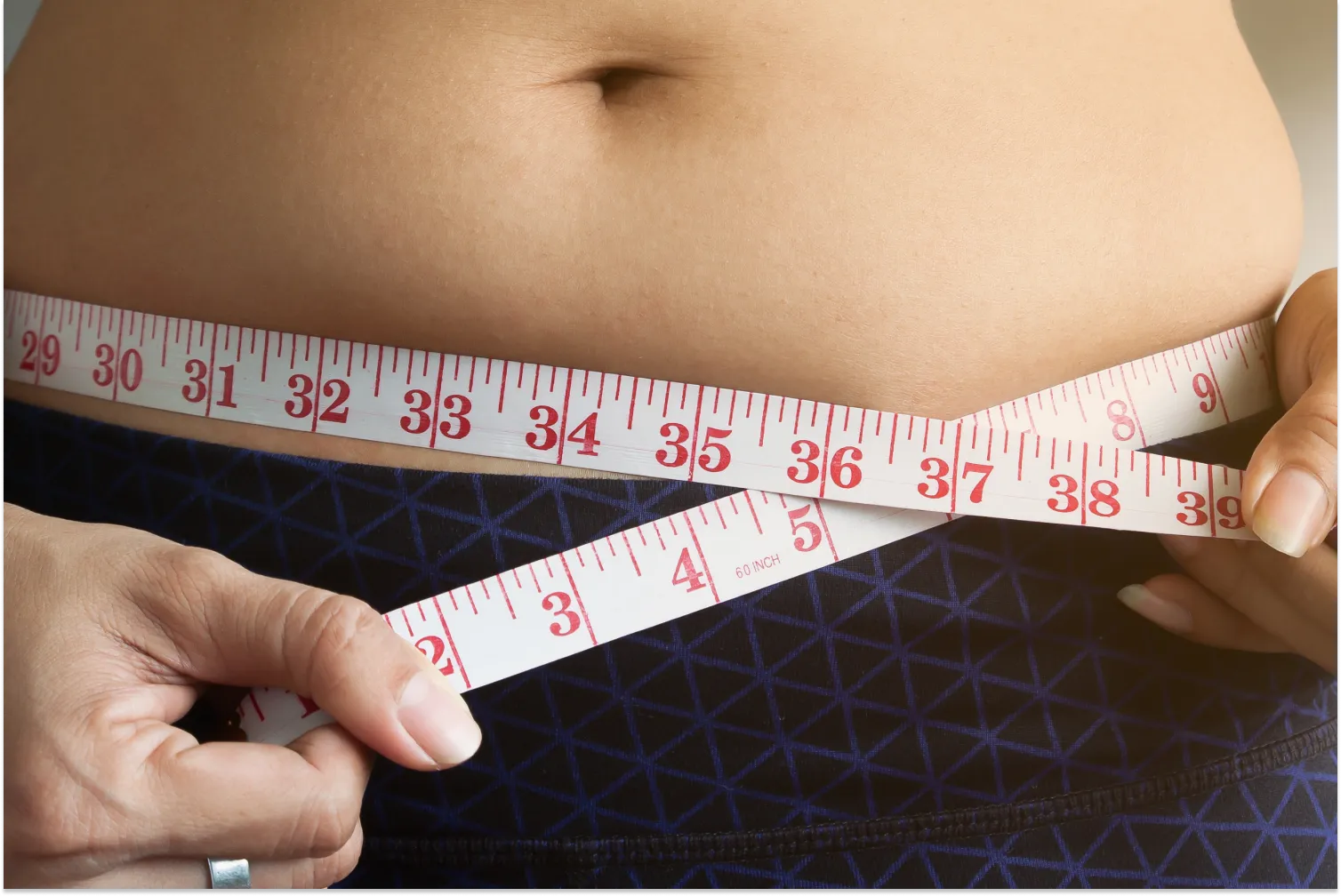
For many women, managing weight gain, food cravings, and hunger can feel like an uphill battle. Whether it's due to hormonal changes during menopause, the natural aging process, or certain health conditions such as diabetes, keeping body weight under control often requires more than just diet and exercise.
This is where medications like semaglutide come in. Originally developed to treat type 2 diabetes, it's now widely used under brand names like Ozempic and Wegovy for weight loss. One of the main reasons it works so well is that it helps control appetite and food cravings.
But, how does semaglutide affect appetite and food cravings exactly? This article will explain what semaglutide is, how it specifically affects appetite and food cravings in women, and more.
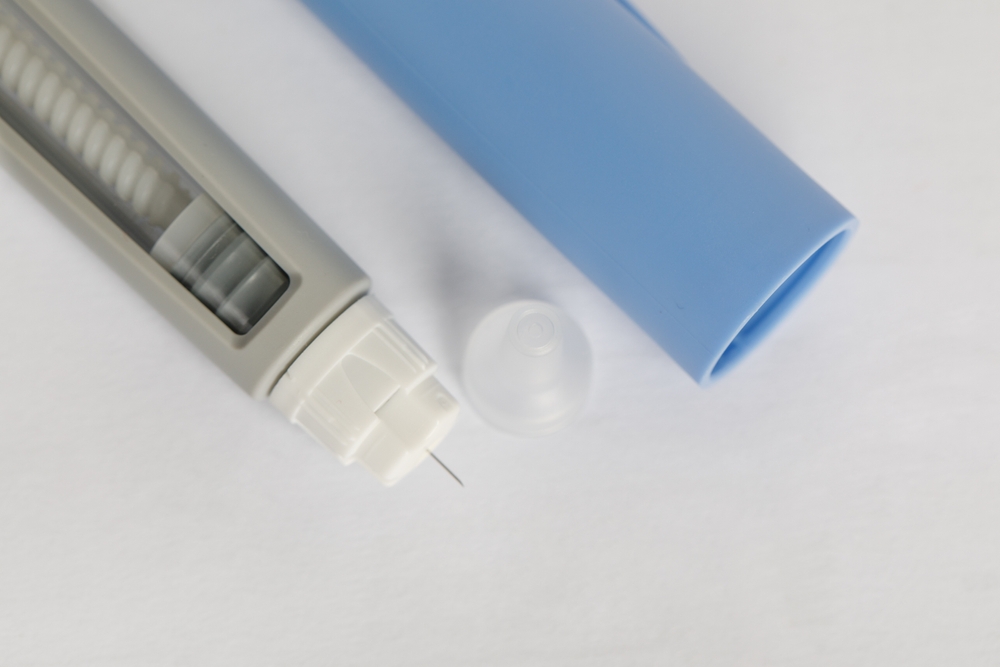
What Is Semaglutide?
Semaglutide is a medication that mimics a naturally occurring human hormone known as GLP-1 (glucagon-like peptide-1). This hormone plays a crucial role in metabolism, food intake, and energy intake.
When introduced into the bloodstream, semaglutide helps the body:
- Slow gastric emptying (how quickly food leaves the stomach)
- Increase feelings of fullness after meals
- Reduce hunger and food cravings
- Encourage better control over ad libitum food intake, or eating freely without restriction
While semaglutide was initially used for diabetes treatment, clinical studies [1] revealed that it also leads to significant weight loss, making it a powerful tool in obesity treatment.
Appetite, Food Cravings, And Female Hormones
Women often experience shifts in appetite and food cravings due to fluctuations in hormone levels, especially around menopause. During this life phase, levels of key hormones such as estrogen, progesterone, and testosterone decline [2].
These changes can often disrupt the balance between hunger and fullness signals in the brain. For example, when estrogen levels drop, women may feel hungrier than usual and experience stronger cravings - especially for high-fat or high-sugar foods. This often happens even when the body doesn't need extra calories.
In addition to appetite changes, hormonal imbalances during menopause [3] can affect mood, sleep, energy levels, and sex drive, which are closely linked to eating behavior. For instance, poor sleep caused by hot flashes or night sweats may lead to increased snacking during the day.
Low energy or mood swings can trigger emotional eating, making it harder to choose healthy foods or stick to a balanced diet. Another issue is slower metabolism. As hormone levels fall, the body tends to burn fewer calories at rest. This can lead to gradual weight gain, even if eating habits haven't changed.
The combination of more hunger, stronger cravings, and slower calorie burning creates a frustrating cycle for many women. These changes not only make weight loss more difficult but can also increase the risk of serious health conditions like type 2 diabetes, high blood pressure, heart disease, and obesity.
How Does Semaglutide Affect Appetite And Food Cravings?
Semaglutide is making headlines as a powerful medication for appetite control and weight loss, but how exactly does it work? Let's break it down.
Slows Gastric Emptying
One effective way semaglutide reduces hunger is by slowing down gastric emptying - the rate at which food leaves the stomach and enters the intestines [4].
When the stomach stays full longer, it sends signals to the brain that promote satiety, or a feeling of fullness. This means that after eating, women taking semaglutide feel satisfied for a longer period of time, which reduces the urge to snack or eat again too soon.
This delay in stomach emptying also results in fewer blood sugar spikes, which helps prevent energy crashes that often trigger cravings for sugary or high-carb foods.
Alters Brain Signals Related to Hunger
Semaglutide doesn't only act on the stomach - it also works directly on the brain, specifically on areas involved in appetite regulation, such as the hypothalamus [5].
This part of the brain helps manage the balance between hunger and fullness signals. By mimicking GLP-1, semaglutide communicates with the brain to reduce feelings of hunger and to increase feelings of satiety, even between meals. This makes it easier to resist eating ad libitum, which often leads to overeating or emotional eating.
Many women who take semaglutide report that they simply don't feel as hungry as they used to. They're better able to say no to second helpings or high-calorie snacks - not because they're forcing themselves to diet, but because their bodies genuinely feel satisfied with less food.
Reduces Food Cravings and Improves Food Preference
Cravings are one of the most difficult parts of managing diet and weight, especially during hormonal transitions like menopause.
Changes in estrogen and progesterone levels can increase cravings for foods that are high in fat, sugar, and salt. This makes weight management more difficult and contributes to unhealthy eating patterns. Semaglutide appears to help reduce these food cravings by influencing the reward centers in the brain.
Clinical studies suggest that it can decrease the appeal of calorie-dense or “comfort†foods, such as chips, cookies, or sugary beverages. In turn, many users find themselves naturally choosing healthier food options, which supports better nutrition and long-term health.
Over time, this shift in food preference can make a big difference in eating behavior, helping women feel more in control of their food choices rather than being ruled by cravings.
Impacts Energy Intake And Body Weight
Because semaglutide reduces hunger and improves satiety, women tend to eat fewer calories overall. This reduction in energy intake supports gradual and sustainable weight loss.
In clinical trials, participants taking semaglutide lost significantly more weight than those on a placebo [6], especially when the medication was paired with a balanced diet and regular exercise. It's important to note that semaglutide doesn't just cause short-term weight loss.
When used consistently, it helps users maintain their weight loss by continuing to regulate hunger and suppress cravings - even after they've lost weight. This is particularly beneficial for women who have struggled with yo-yo dieting, emotional eating, or post-menopausal weight gain.
Risks, Side Effects, And Potential Considerations
While semaglutide helps women manage appetite, food cravings, and weight loss, it's important to understand that this medication - like any treatment - comes with certain risks and side effects.
Being aware of these potential issues can help women make informed choices about whether semaglutide is right for them, especially if they are also managing menopause symptoms or undergoing hormone replacement therapy (HRT).
Gastrointestinal Issues
The most commonly reported side effects of semaglutide involve the digestive system. These include:
- Nausea
- Bloating
- Constipation
- Diarrhea
- Indigestion
These symptoms are especially common when starting semaglutide or when increasing the dose. This is because the medication slows gastric emptying, meaning food stays in the stomach longer, which can trigger mild discomfort as the body adjusts.
In most cases, these symptoms are temporary and subside as the body gets used to the medication. However, for some women, especially those with existing gastrointestinal conditions, these side effects can be more persistent.
Low Appetite And Nutrient Deficiency
Semaglutide works by reducing appetite, which can be a major benefit for those struggling with overeating or intense food cravings.
However, in some cases, the decrease in hunger can become too extreme. Women may find themselves eating too little, skipping meals, or simply forgetting to eat. While this might sound helpful for weight loss, it can also lead to nutritional deficiencies, fatigue, and muscle loss - especially if the diet lacks essential vitamins, minerals, and protein.
Women using semaglutide should monitor their energy intake to ensure they're still meeting their body's needs, particularly during menopause, when proper nutrition is crucial for bone health, mood, and hormone balance.
Semaglutide Is Not a Hormone Replacement
Although semaglutide helps with appetite regulation and weight management, it's not a hormone therapy. That means it doesn't replace or balance declining levels of estrogen, progesterone, or testosterone.
If a woman experiences menopause symptoms, she may benefit from Fem Excel's additional treatment options, such as bioidentical hormone therapy (BHRT), compounded bioidentical hormones, or traditional HRT. Semaglutide can complement these therapies by helping manage weight gain and cravings, but it won't resolve all hormonal symptoms on its own.
Talk To Your Healthcare Provider
Before you start semaglutide - or combine it with hormone therapy, bioidentical hormones, or any other medication - it's important to consult with a qualified healthcare provider.
They can help evaluate your hormone levels, review your health history, and determine whether semaglutide is a safe and effective option for your needs.
This is especially important for women with:
- History of thyroid issues or pancreatitis
- Digestive problems
- Kidney disease
- Existing hormone treatments

Semaglutide, Hormones, And Lifestyle: A Holistic Approach
When it comes to managing appetite, food cravings, and weight gain, there is no single solution that works for everyone.
If you want effective and long-lasting results, combine semaglutide with a comprehensive, holistic approach that includes hormone therapy and healthy lifestyle choices, such as:
Balanced Diet
Even though semaglutide helps reduce hunger and food cravings, what you eat still matters. A balanced diet fuels the body, supports hormonal health, and helps prevent nutritional deficiencies, which can become more common during menopause.
A hormone-supportive, semaglutide-friendly diet should focus on:
- Whole foods: Fresh fruits, vegetables, whole grains, and legumes support digestion and provide essential nutrients.
- Lean protein: Chicken, fish, tofu, eggs, and legumes help build and maintain muscle mass, especially important when losing weight.
- Fiber-rich foods: These help with digestion, reduce blood sugar spikes, and promote fullness.
- Healthy fats: Avocados, olive oil, nuts, and seeds support hormone production and heart health.
- Anti-inflammatory ingredients: Turmeric, berries, leafy greens, and green tea may help reduce inflammation, which is linked to hormonal imbalances and chronic disease.
Regular Exercise
Exercise isn't just about burning calories - it supports nearly every system in the body. For women using semaglutide or undergoing bioidentical hormones vs HRT, regular movement enhances outcomes by:
- Improving metabolism: Helps the body burn calories more efficiently.
- Boosting mood: Physical activity releases endorphins and reduces stress and anxiety, which can trigger cravings or emotional eating.
- Strengthening muscles and bones: Important during and after menopause to protect against muscle loss and osteoporosis.
- Supporting cardiovascular health: Menopause increases the risk of heart disease; exercise helps keep the heart strong.
Note: Aim for a mix of strength training, cardiovascular activity, and flexibility exercises such as yoga or stretching to support overall wellness.
Sleep Hygiene
Poor sleep not only disrupts energy levels but also affects hormone production, appetite regulation, and mood. During menopause, hot flashes, night sweats, and anxiety can interfere with sleep, which makes it harder to feel rested.
Semaglutide can support sleep indirectly by reducing weight gain, which is often linked to sleep apnea and other disturbances. However, quality sleep requires a consistent routine and healthy habits, such as:
- Sticking to a regular bedtime and wake-up time.
- Avoiding caffeine, heavy meals, and screens before bed.
- Creating a calm, dark, and cool sleep environment.
- Using relaxation techniques like deep breathing or meditation.
Stress Management
Chronic stress is one of the biggest obstacles to hormonal balance and weight loss. When stress levels remain high, the body produces more cortisol, a hormone that increases appetite, encourages belly fat storage, and disrupts sleep and mood.
Semaglutide can help reduce emotional eating triggered by stress, but combining it with stress-reduction techniques leads to better results. Consider:
- Mindfulness and meditation: Even 10 minutes a day can lower stress levels and improve focus.
- Breathing exercises: Simple techniques can calm the nervous system and reduce cravings.
- Spending time in nature: Walking outdoors can boost mood and provide light physical activity.
- Journaling or talking with a therapist: Helps process emotions in a healthy, non-food-focused way.
Conclusion
Semaglutide is a potent medication for women who struggle with appetite and food cravings. By mimicking the body's natural hormones, it helps reduce hunger, promote fullness, and make it easier to say no to tempting foods.
While not a magic fix, semaglutide can be a game-changer for women who have tried diet after diet without success. It helps many women regain control over their eating, feel less obsessed with food, and finally see progress toward their weight and health goals.
As always, it's important to talk with your doctor before starting any new medication. However, for many women, this medication may be the support they've been searching for.
Want to learn more about semaglutide, weight loss tips, and health resources designed just for women? Choose Fem Excel. We offer expert advice and support to help you take the next step toward your health and wellness goals.

Get GLP1s
Medically guided weight loss
Reference Links:
1. Tan, H. C., Dampil, O. A., & Marquez, M. M. (2022). Efficacy and Safety of Semaglutide for Weight Loss in Obesity Without Diabetes: A Systematic Review and Meta-Analysis. Journal of the ASEAN Federation of Endocrine Societies, 37(2), 65-72. https://doi.org/10.15605/jafes.037.02.14
2. Motlani, V., Motlani, G., Pamnani, S., Sahu, A., & Acharya, N. (2023). Endocrine Changes in Postmenopausal Women: A Comprehensive View. Cureus, 15(12), e51287. https://doi.org/10.7759/cureus.51287
3. Zhang, F., & Cheng, L. (2024). Association between sleep duration and depression in menopausal women: a population-based study. Frontiers in endocrinology, 15, 1301775. https://doi.org/10.3389/fendo.2024.1301775
4. Friedrichsen, M., Breitschaft, A., Tadayon, S., Wizert, A., & Skovgaard, D. (2021). The effect of semaglutide 2.4 mg once weekly on energy intake, appetite, control of eating, and gastric emptying in adults with obesity. Diabetes, obesity & metabolism, 23(3), 754-762. https://doi.org/10.1111/dom.14280
5. Svendstrup, M., Rasmussen, A. K., Kistorp, C., Klose, M., & Andreassen, M. (2024). Semaglutide treatment of hypothalamic obesity - a real-life data study. Pituitary, 27(5), 685-692. https://doi.org/10.1007/s11102-024-01429-5
6. Wadden, T. A., Bailey, T. S., Billings, L. K., Davies, M., Frias, J. P., Koroleva, A., Lingvay, I., O'Neil, P. M., Rubino, D. M., Skovgaard, D., Wallenstein, S. O. R., Garvey, W. T., & STEP 3 Investigators (2021). Effect of Subcutaneous Semaglutide vs Placebo as an Adjunct to Intensive Behavioral Therapy on Body Weight in Adults With Overweight or Obesity: The STEP 3 Randomized Clinical Trial. JAMA, 325(14), 1403-1413. https://doi.org/10.1001/jama.2021.1831