
- Libido is influenced by biology, psychology, and relationships, so a multi-pronged approach often works best.
- Lifestyle factors such as sleep, stress reduction, exercise, and nutrition can support healthy sexual desire.
- When symptoms persist, lab testing and a personalised plan that considers hormones, thyroid, gut health, and medications can help.
If you've searched for how to increase libido in women, you are not alone. Low sexual desire is common and often reflects a mix of hormonal, emotional, relational, and lifestyle factors. At Fem Excel, we approach libido as a signal about overall wellness, not just a single problem to fix.
Dr. Lorna Brudie, our Chief Medical Officer and hormone health lead, provides clinical oversight for our sexual health and hormone initiatives. Her holistic, patient-centered approach empowers patients with the knowledge and care needed to optimize their hormonal well-being.
Below, we share five evidence-based ways women can work to increase their libido, along with practical next steps and guidance on when to seek testing or clinical care.
1. Pay attention to sleep and stress first
Sleep and stress have outsized effects on sexual desire. Poor sleep alters hormone rhythms that influence energy and libido. Chronic stress increases cortisol, which can suppress reproductive hormones and reduce sexual interest. Addressing these basics often yields the largest, most reliable gains in desire.
Practical steps:
- Aim for consistent sleep timing and seven to nine hours of quality rest when possible.
- Build short daily stress breaks, such as deep breathing, brief walks, or a five-minute mindfulness practice.
- If anxiety or depression is present, talk therapy or evidence-based treatments such as cognitive behavioral therapy may help restore both mood and libido.
2. Move your body and protect muscle mass
Exercise supports libido through several pathways, including mood, body image, circulation, and energy. Both aerobic activity and resistance training can help. In addition, maintaining muscle mass supports metabolic health and may make women feel more vital overall. Strength training two to three times per week, paired with moderate aerobic work, is a practical, sustainable plan.
For women concerned about body composition, combining resistance training with dietary protein and targeted clinical guidance can maximize benefits and support sexual health. For further reading on muscle mass, metabolism, and hormone support, see how hormone therapy can help women maintain muscle mass.
3. Optimize hormones and check thyroid and medication effects
Because sex hormones and thyroid hormones influence libido, a lab-informed review is often helpful when desire is low. Low estrogen, low testosterone relative to your stage of life, or thyroid dysfunction can all reduce interest. We never frame lab results as the only cause, but they are often a valuable piece of the puzzle.
Also, review medications with your clinician. Some commonly prescribed drugs, such as certain antidepressants or blood pressure medications, can affect libido. If a medication contributes, your clinician may be able to adjust treatment safely.
Fem Excel clinicians design hormone and metabolic evaluations that consider your symptoms, labs, and personal goals. If hormone therapy is appropriate, it is always offered within a monitored, individualized plan.
4. Support gut, nutrition, and vascular health
Emerging evidence links the gut microbiome to sex hormone metabolism and mental health, both of which affect libido. A balanced diet, adequate fiber, and attention to gut health can support hormone balance indirectly by improving inflammation and nutrient absorption.
Nutrition and practical tips:
- Ensure adequate protein, healthy fats, and micronutrients such as vitamin D, B vitamins, and iron when indicated.
- Consider a whole food, balanced plate rather than restrictive dieting, which can lower sex hormone production.
- If digestive symptoms are present, evaluate gut health since absorption issues can limit the nutrients needed for healthy sex hormone function.
5. Work on intimacy, communication, and relationship factors
Because psychological and relational factors are central to sexual desire, improving intimacy and communication often raises libido. Scheduling nonsexual touch, creating low-pressure time together, and openly discussing desires and boundaries can reduce anxiety and increase desire.
When relationship patterns or past trauma affect sexual interest, sex therapy or couples counseling can be very effective.
Practical ways to begin:
- Book a "connection appointment" rather than a sexual one, focusing on eye contact, touch, and conversation.
- Try sensate focus exercises that reintroduce pleasure without expectation.
- Consider a short course of therapy for persistent relational stress or trauma related to sexual avoidance.
6. Hormones and libido in women
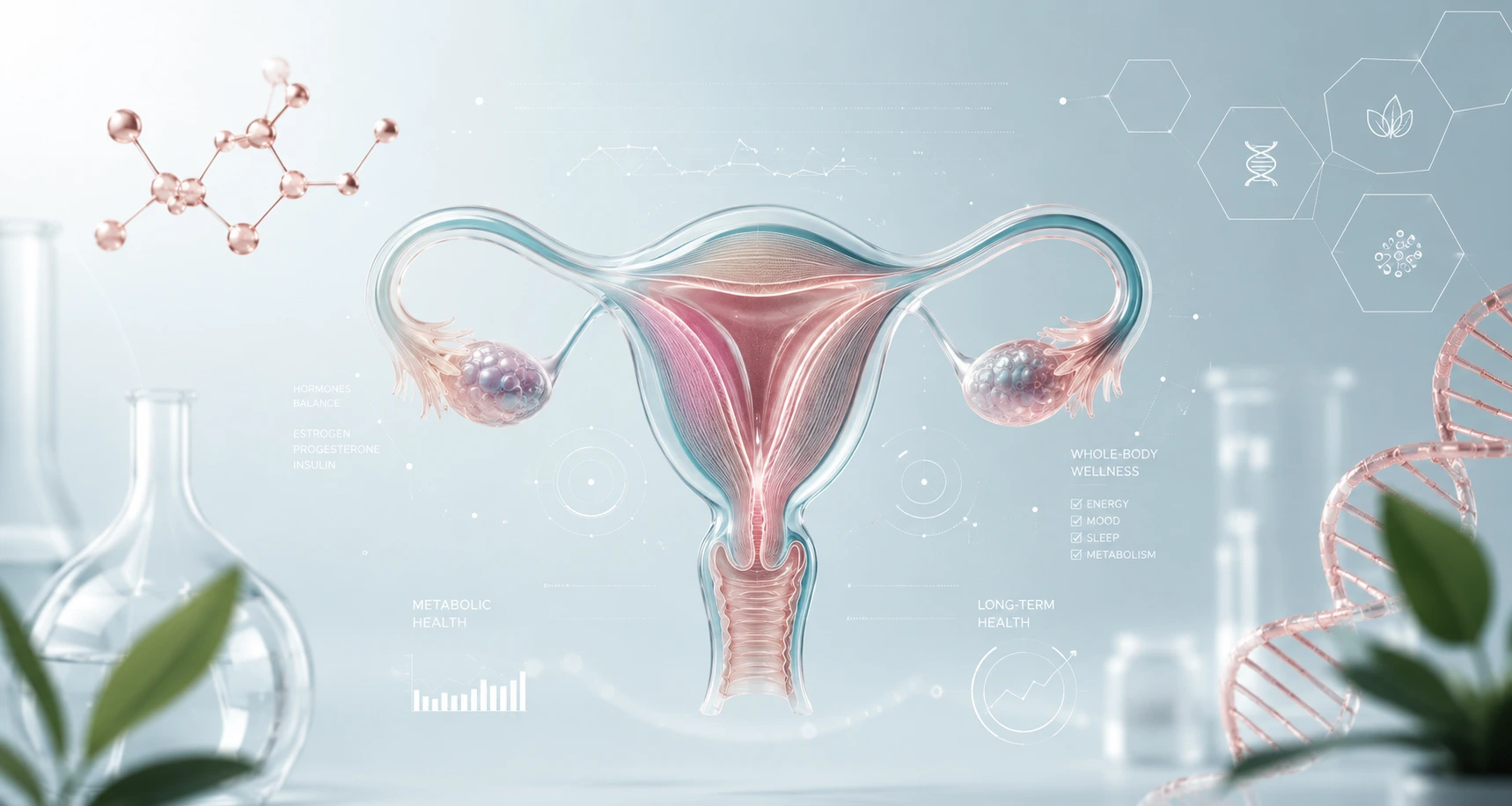
Sexual desire in women is closely tied to hormonal balance, particularly testosterone, estrogen, and thyroid hormones. When these systems shift, libido often changes with them.
Testosterone plays a direct role in sexual motivation, arousal, and pleasure in women. Although levels are much lower than in men, testosterone is essential for sexual interest, sensitivity, and responsiveness. Declines in testosterone can occur with age, during perimenopause and menopause, after childbirth, or with certain medications, and may contribute to reduced desire even when estrogen levels appear normal.
Estrogen supports vaginal tissue health, blood flow, comfort during intimacy, and overall sexual responsiveness. Low or fluctuating estrogen can reduce physical comfort and arousal, which indirectly lowers desire.
Thyroid hormones influence energy, mood, metabolism, and emotional regulation. Both underactive and overactive thyroid function can quietly suppress libido and reduce overall vitality.
Hormonal changes are often gradual and may not be obvious without proper testing. Many women are told their labs are “normal†despite ongoing symptoms because reference ranges do not always reflect optimal levels for sexual health and quality of life.
At Fem Excel, hormone evaluation is always symptom-led and lab-informed. Testosterone is considered a standard hormone to assess in women when libido is low, alongside estrogen and thyroid markers, and any treatment is delivered within a monitored, individualized plan.
When To Consider Clinical Testing or Treatment
If lifestyle, sleep, relationships, and basic medical checks do not help after several months, a targeted medical evaluation is a reasonable next step.
At Fem Excel, we consider:
- A hormone panel that includes sex hormones and thyroid markers.
- Routine labs for iron, vitamin D, and metabolic health.
- A review of medications that may blunt desire.
Medical options include evidence-based hormone support for selected patients, behavioral therapies, or referral to specialists when indicated. All clinical decisions are personalized and rooted in your health history and goals.
If lifestyle changes alone have not improved your libido, the next step is a personalized evaluation that looks at hormones, thyroid health, medications, and your symptoms together.

Get HRT Online
Optimize Your Hormones
Frequently Asked Questions
Will stress reduction really help my libido?
Yes, many women see improvements in desire when stress and sleep are managed. Because hormones and brain chemistry are tightly connected to stress, even small, consistent interventions can help.
Does nutrition really influence libido?
Nutrition supports overall wellness, which can influence mood, energy, and hormone balance. Eating balanced meals that include protein, healthy fats, and fiber-rich foods may help support energy levels and emotional well-being, both of which can play a role in sexual desire. If digestive issues are present, addressing gut health can support overall wellness too.
Are there quick fixes for libido?
There are no guaranteed overnight fixes. Some interventions, such as exercise or counseling, can produce noticeable improvements in weeks, while hormonal or medical changes may take longer. We prioritize sustainable, safe approaches rather than risky short term fixes.
How long does it take to notice improvements in libido after making lifestyle changes?
Every woman's timeline is unique. Some may notice changes in mood, energy, or desire within a few weeks of supporting sleep, nutrition, or stress reduction. Others may need more time, especially if hormone levels or thyroid function play a role. Consistency usually supports the best outcomes, and lab testing can help identify what your body needs most.
Can hormone therapy increase libido?
Hormone therapy may help some women when lab testing and symptoms point to a hormonal contribution to low desire. Any hormone option should be considered in the context of benefits, risks, and a personalized plan.
When should I see a clinician about low libido?
If low desire causes distress, affects your relationship, or lasts longer than three to six months despite lifestyle changes, schedule a clinical evaluation that includes labs, medication review, and an assessment of psychological and relational factors.
Conclusion
If you are searching for how to increase libido in women, remember that desire is shaped by biology, mind, and relationships. A combined approach that prioritizes sleep, stress management, exercise, gut and nutrient support, and improved intimacy often yields the best results.
When symptoms persist, we recommend a lab-informed evaluation so care is tailored to your needs.
At Fem Excel, we build personalized plans that consider hormones, thyroid, gut health, medications, and relationship dynamics. If low desire is affecting your life or relationship, take the next step and get a comprehensive evaluation. We are here to help you reclaim energy, closeness, and sexual well-being.
Sources:
Low Sex Drive In Women - Symptoms and Causes | Mayo Clinic
The Lancet Diabetes & Endocrinology. Testosterone in women: The clinical significance.
Climacteric. Global consensus position statement on the use of testosterone therapy for women.
The Journal of Clinical Endocrinology & Metabolism. The benefits and harms of systemic testosterone therapy in postmenopausal women: A systematic review and meta-analysis.
The Journal of Clinical Endocrinology & Metabolism. Treatment of the symptoms of menopause: An Endocrine Society clinical practice guideline.