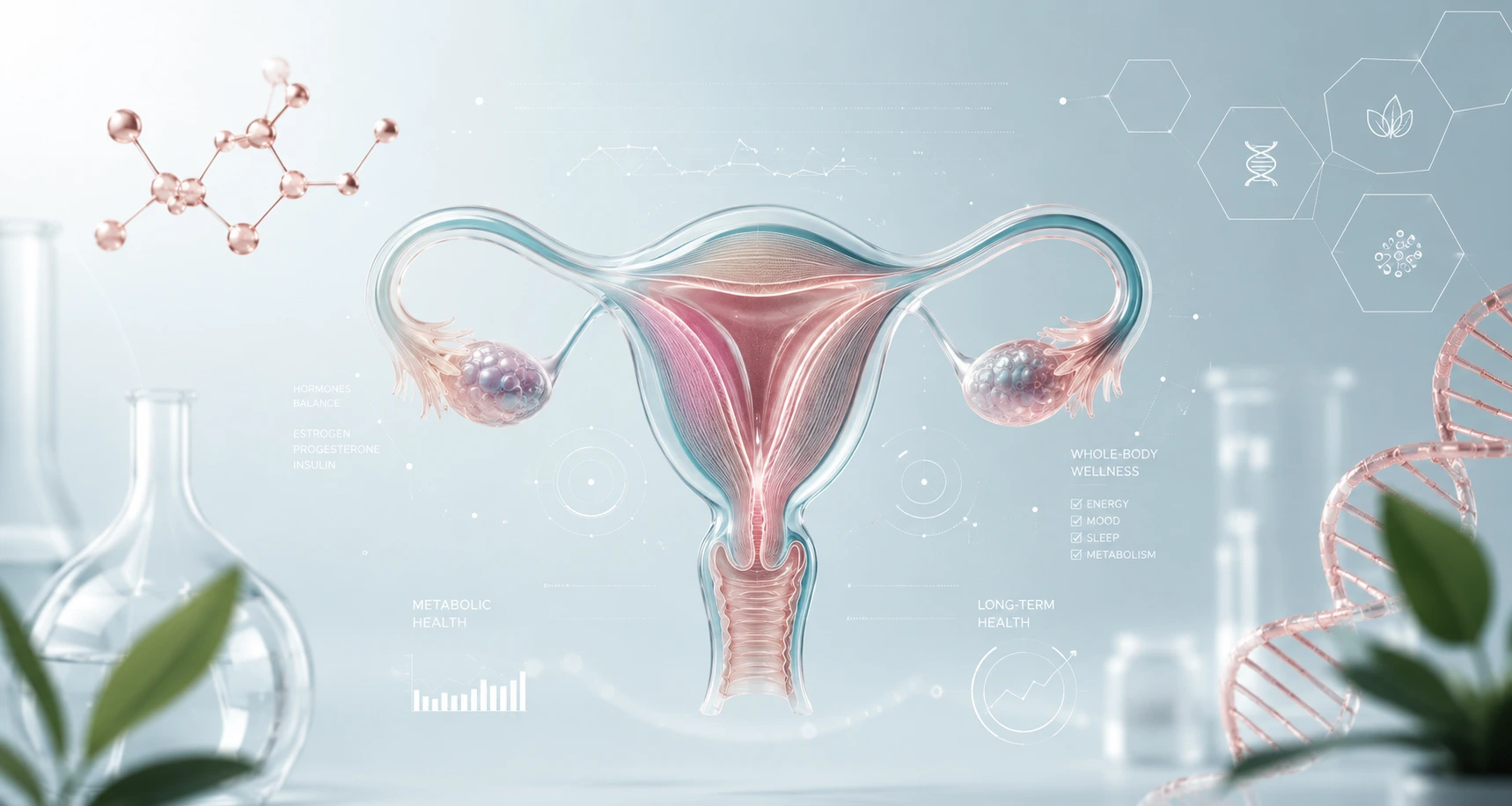

- Changes in menstrual patterns, energy, mood, weight, and sleep are common signals of hormonal imbalance after 40.
- Because hormones regulate many body systems, several symptoms may appear together, hinting at a broader imbalance rather than a single issue.
- A personalized evaluation, including hormone and metabolic labs, can help guide care. Fem Excel specializes in crafting plans that reflect your unique hormonal landscape.
Signs of hormonal imbalance often begin to appear in your 40s, alongside major life changes involving career, family, stress, sleep, and daily routines. Many women ask, what are the common changes in women's hormones after 40?
At Fem Excel, we understand how confusing and frustrating these changes can feel. Under the care of Dr. Lorna Brudie and our in-house trained, licensed physicians, we provide personalized, science-informed hormone care for women navigating this transitional stage.
In this article, we explore five of the most common and telling signs of hormonal imbalance in your 40s. If you see several of them emerging, it might be time for a closer look through labs, lifestyle review, and a personalized hormone plan.
Why Hormones Often Shift in Your 40s
As women enter their 40s, the body often begins transitioning toward perimenopause. This phase can involve fluctuations in estrogen, progesterone, and other hormones, plus changes in thyroid and adrenal function, metabolic hormones, and stress response.
Signs of Hormonal Imbalance
Because hormones influence many systems, even modest shifts can lead to a variety of symptoms, from menstrual changes to sleep disturbance and shifts in mood, energy, metabolism, and skin health.
That is why it is important to pay attention early and consider a comprehensive evaluation, not just one isolated symptom.
1. Irregular Periods or Changing Menstrual Patterns
One of the earliest and most common signs of hormonal changes after 40 is a shift in menstrual cycles. Periods may become irregular, cycles may shorten or lengthen, flow may become lighter or heavier, spotting may appear between periods, or periods may skip altogether.
These changes often reflect shifting levels of estrogen and progesterone. While irregular cycles are a normal part of perimenopause for many women, persistent or sudden changes deserve awareness and possibly hormone panel testing, especially when other symptoms accompany them.
If you are tracking cycles and notice changes beyond what feels like normal aging, it may be a signal to consider a deeper look.
2. Persistent Fatigue, Low Energy, or Sleep Disruptions
Many women in their 40s report feeling chronically tired, dragging through the day even with adequate sleep, or struggling to get restful sleep at night. Hormonal imbalance, including changing sex hormones, thyroid function, and stress hormone (cortisol) regulation, can all contribute to fatigue and sleep issues.
Sleep disruptions may include difficulty falling asleep, waking frequently, hot flashes or night sweats, or difficulty staying asleep. Because good sleep and balanced hormones reinforce each other, chronic sleep or energy issues deserve a look at more than just lifestyle, and a hormone and metabolic workup may help clarify what is going on.
3. Mood Changes, Irritability, or Brain Fog
Mood swings, increased irritability, anxiety, or what many refer to as brain fog often accompany hormonal shifts in women over 40. Fluctuating estrogen and progesterone, along with changing stress hormone levels, can impact neurotransmitters, sleep quality, and overall emotional balance.
You might notice increased irritability, emotional sensitivity, difficulty concentrating, forgetfulness, or general emotional low points even when your daily stressors have not increased. These emotional or cognitive changes are often dismissed as just aging or stress, but they may be hormone-linked.
If mood shifts coincide with other physical or metabolic symptoms, it is a good idea to consider a hormonal evaluation rather than assuming it is only stress.
4. Weight Gain, Changes in Body Composition, or Slowed Metabolism
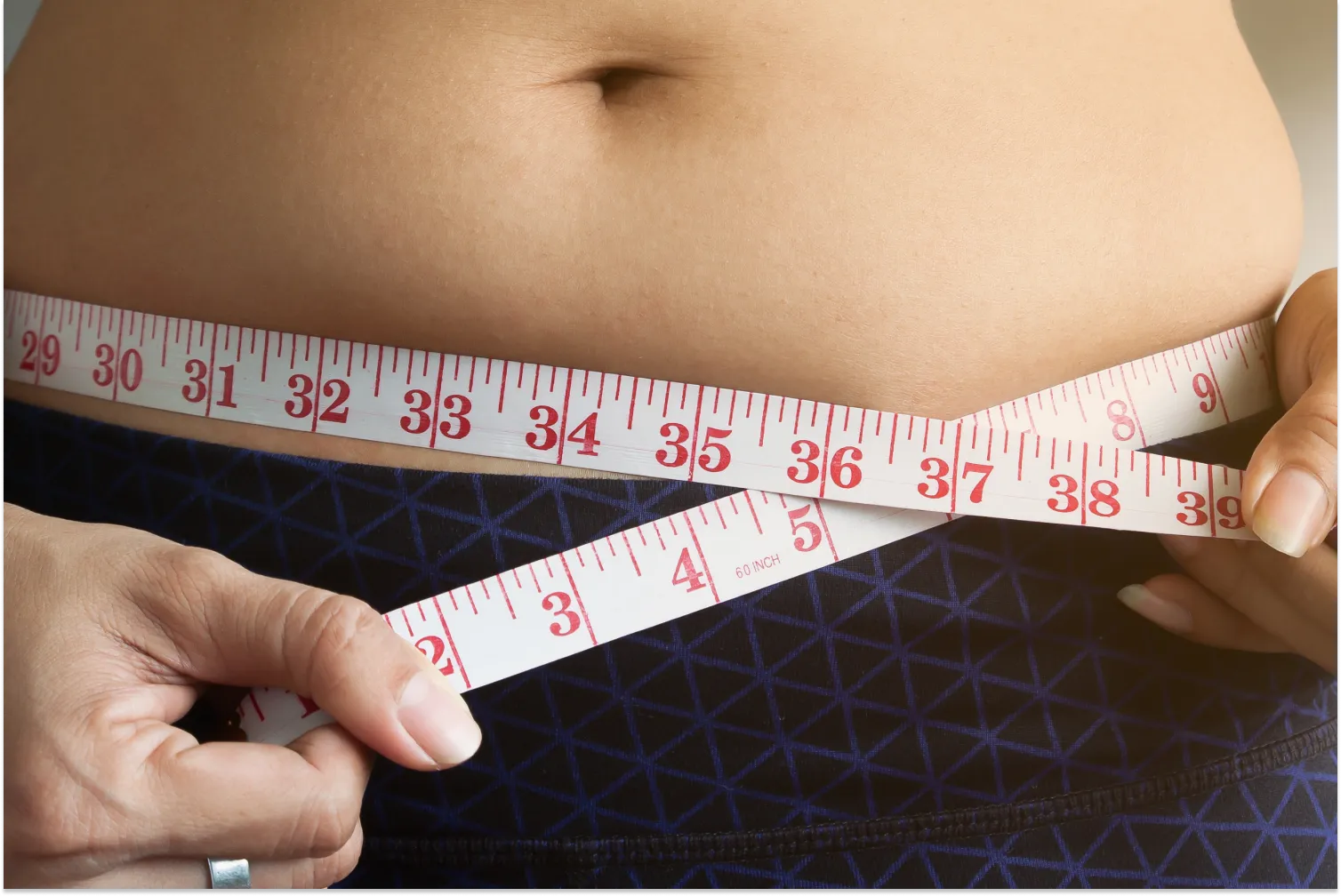
As hormone levels shift, especially estrogen and thyroid hormones, metabolism often changes. Many women over 40 notice unexplained weight gain or difficulty losing weight, especially around the abdomen, even when their eating and activity habits remain the same.
Any changes in fat distribution, reduced muscle mass, or changes in appetite or energy levels may point to hormonal or metabolic shifts. Because hormones are deeply tied to metabolism, blood sugar regulation, muscle maintenance, and fat storage, these body composition changes can reflect more than simply lifestyle.
Tracking not just weight but body composition and energy levels, especially if you also notice changes in sleep or mood, can help you and your clinician decide whether deeper evaluation is warranted.
5. Sleep, Hot Flashes, Vaginal or Sexual Changes
As hormone levels fluctuate or decline, especially estrogen, many women experience symptoms related to temperature regulation, sleep quality, and sexual or vaginal health. Hot flashes, night sweats, and disrupted sleep are commonly reported during perimenopause and hormonal transition.
Declining estrogen can also affect vaginal tissues, natural lubrication, and sexual comfort. Some women notice decreased libido, vaginal dryness, or discomfort during intimacy as hormones shift.
Because these changes often affect quality of life, they are important signposts. If you are noticing hot flashes, night sweats, sleep disruption, or sexual changes, it may be time to consider hormone health and not just assume it is normal aging.
When To Consider Hormone and Metabolic Evaluation
Because hormonal imbalance after 40 can affect cycles, mood, metabolism, sleep, and overall well-being, it is rarely limited to a single symptom. If you notice two or more of the signs above, especially if they persist for several months, it is worth discussing symptom-guided lab testing with a clinician.
At Fem Excel, our approach is comprehensive. We consider your medical history, symptoms, labs, lifestyle, and goals. This gives us the insight to create a tailored plan, whether lifestyle adjustments, metabolic support, or hormone therapy might help.
If you notice digestive changes, skin or hair changes, gut health shifts, or thyroid-related symptoms, it's important to consider how interconnected body systems are.
FAQs
Are these symptoms always due to a hormonal imbalance?
Not always. Some signs, like fatigue or mood changes, can be caused by stress, lifestyle, diet, or other health conditions. That is why we recommend lab testing and comprehensive evaluation rather than assuming hormones are the only cause.
How long do hormonal shifts after 40 typically last?
Hormonal changes can fluctuate over several years, especially during perimenopause. For many women, symptoms come and go, sometimes fading and returning. A tailored hormone-health plan helps track and manage this transition.
Can lifestyle changes help without hormone therapy?
Yes. Healthy sleep, balanced nutrition, regular movement, stress management, and stable routines often support hormonal balance and mitigate many symptoms.
When is hormone therapy considered appropriate?
When symptoms significantly impact quality of life, labs confirm hormone imbalance, and after evaluating risks and benefits in light of your overall health. At Fem Excel, we only recommend hormone therapy when it fits your individual profile.
Conclusion
Navigating women's hormones after 40 can feel confusing. Subtle shifts in mood, sleep, weight, metabolism, and cycles may feel random or unrelated. Often, they are connected by underlying hormonal transitions. Recognizing signs of hormonal imbalance in your 40s is the first step toward understanding and support.
At Fem Excel, our approach is rooted in personalized evaluation and care. We work hard to help women make sense of symptoms, labs, and lifestyle factors. If you are experiencing persistent changes, consider talking with a clinician, getting lab work, and creating a hormone-health plan designed just for you.
Your 40s can be a time of clarity, renewal, and balance. Paying attention to your body and acting with care can help you move through this chapter with confidence and well-being.

Get HRT Online
Optimize Your Hormones
Sources:
Perimenopause: Hormonal Changes & What to Expect | Endocrinology Associates, Inc.
Signs Your Hormones Are Imbalanced After 40: Key Symptoms & Solutions | Preventative Medicine Daily
Perimenopause: Rocky Road to Menopause | Harvard Health
Nutrition and Impacts on Hormone Signaling | The Institute for Functional Medicine