
- Hair thinning during menopause is often tied to declining estrogen, which affects the hair growth cycle, but follicles are not always permanently damaged.
- Regrowth may be possible when hormonal balance, scalp health, nutrition, and lifestyle are addressed, especially with early and consistent intervention.
- Outcomes vary. Genetics, the duration of thinning, and factors such as thyroid health, stress, and nutrition all influence how much hair may return.
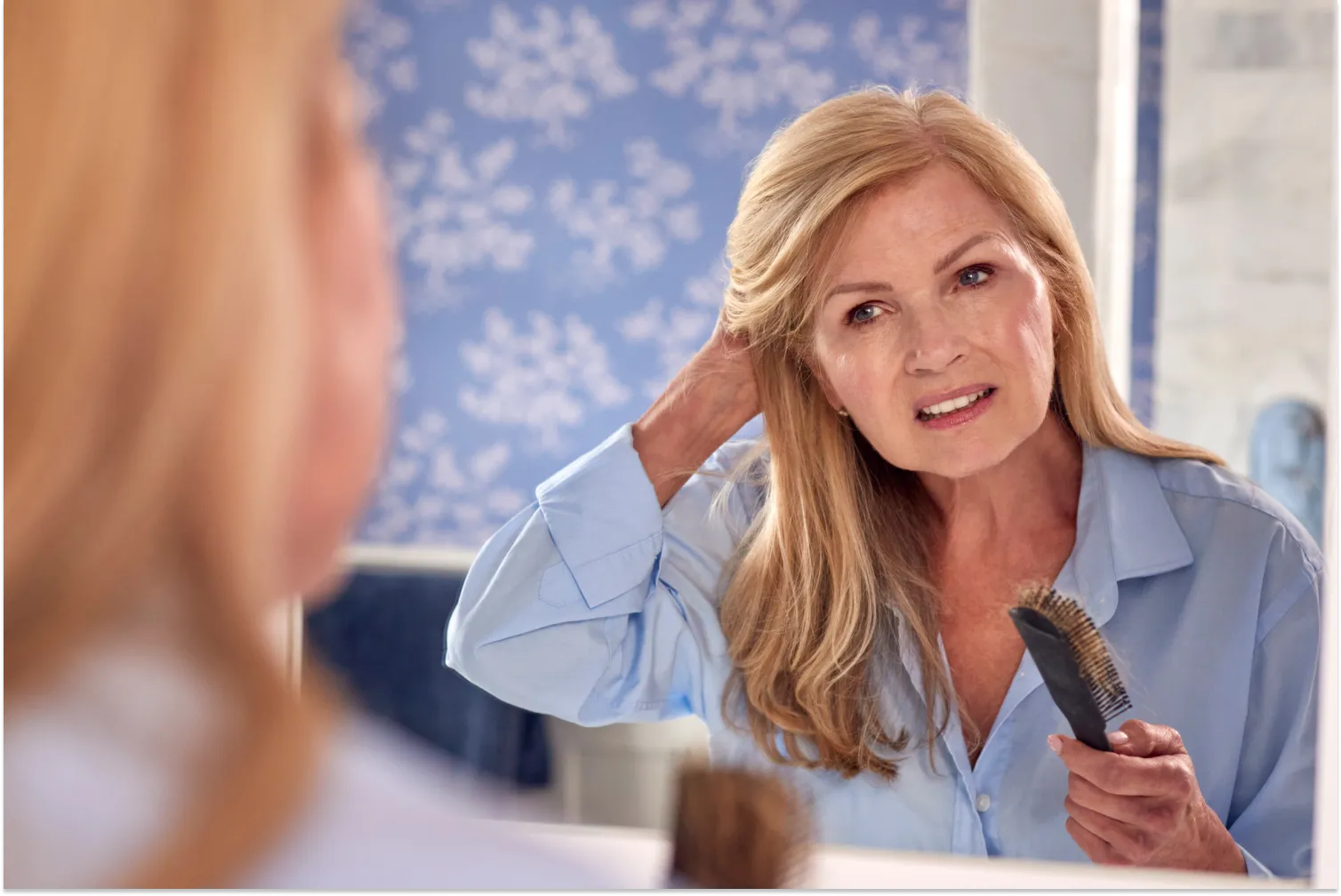
Hair thinning during menopause can feel unsettling and deeply personal. When shedding starts or volume changes, many women ask the same question: Will hair loss from menopause grow back?
At Fem Excel, we understand how personal and fragile this question can feel. Under the clinical guidance of Dr. Lorna Brudie, Chief Medical Officer and hormone-health lead, we approach hair changes holistically. That includes looking at hormones, lifestyle, nutrition, and scalp health when evaluating hair loss in menopause.
In this article, we explore what current research says about menopause-related hair loss, whether regrowth is possible, and what steps may support healthier hair over time.
What Happens to Hair During Menopause
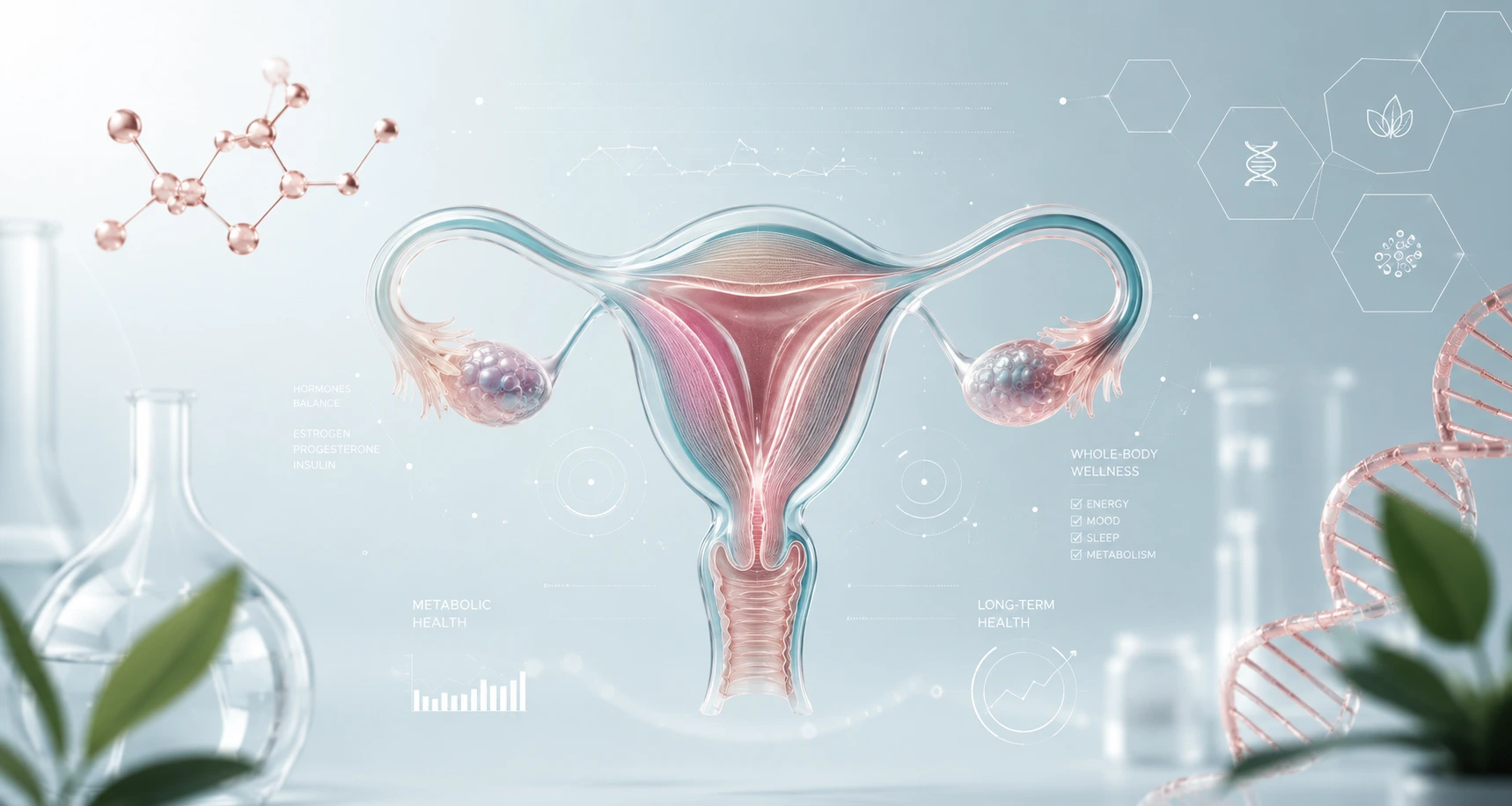
Menopause often brings hormonal shifts that affect more than just the menstrual cycle. One significant change is the drop in estrogen and progesterone levels. These hormones help regulate the hair growth cycle, influence follicle health, and support scalp oil production, all of which contribute to hair density, strength, and texture.
As estrogen declines, many women notice diffuse thinning rather than patchy bald spots. The hair may become finer, drier, or brittle. Scalp oil production often decreases, leading to dryness.
Hormonal and metabolic changes during the menopausal transition alter the normal hair follicle lifecycle. Follicles may shrink, the active growth phase may shorten, and the scalp's vascular and nutrient support to follicles may decline.
Because follicles remain present in many cases, hair loss due to menopause doesn't necessarily mean permanent follicle destruction, which leaves open the possibility of regrowth.
Is Menopausal Hair Loss Permanent or Reversible?
Research suggests that menopause-associated hair thinning is often not permanent. In many women, the follicles remain intact, making regrowth possible if hormonal balance and scalp health are supported.
With proper care, hormone optimization, nutrition, scalp treatments, and lifestyle adjustments, many women see improvements in hair thickness, density, and quality over time.
Factors That Influence Regrowth
- Genetics and skin/hair follicle sensitivity. Some individuals may have a predisposition to hair thinning or follicle miniaturization with hormonal changes.
- Duration and severity of hair thinning. The longer hair has been thinning, the more time follicles may have spent in a resting or dormant state, which can make regrowth slower. Early intervention improves chances.
- Overall health factors. Thyroid function, stress, nutrition, inflammation, and scalp health all play a role in hair regrowth potential.
What Research and Experts Say
Hormonal and metabolic shifts alter hair follicle cycles, reducing volume and hair density, and sometimes changing hair texture. Estrogen-sensitive hair follicles can respond to hormonal changes with shorter growth phases and a shift toward shedding, particularly when estrogen declines while androgen influence rises.
Dermatological and menopause-care sources note that while some scalp hair loss during menopause may represent a pattern similar to female pattern hair loss, many cases stabilize or improve when hormone levels are supported, and lifestyle factors are addressed.
It is also important to recognize that not all hair loss in menopause is purely hormonal. Thyroid changes, nutritional deficiencies, stress, and scalp conditions may contribute, which is why a comprehensive evaluation is crucial.
Supporting Hair Health Through Menopause
1. Evaluate Hormones and Overall Health
Because menopause affects multiple systems, start with a full hormone panel, including sex hormones, thyroid, and metabolic markers. At Fem Excel, we analyze labs in the context of symptoms and overall health history to design personalized plans.
2. Support Scalp Health and Nutrient Supply
Healthy scalp circulation and nutrient delivery help follicle function. Gentle hair care, scalp massage, and avoiding harsh treatments such as excessive heat or tight styles protect fragile hair. Adequate protein, iron, vitamin D, and essential fatty acid intake support hair structure and growth.
3. Consider Medical or Dermatological Options If Appropriate
Topical treatments like minoxidil are often recommended for thinning related to hormonal changes or menopause-associated hair loss. In some cases, hormone replacement therapy (HRT) may help restore estrogen levels and prolong the hair growth phase.
Decisions should be based on a full evaluation of risks and benefits, not just hair loss alone. Complementary treatments like low-level laser therapy, platelet-rich plasma (PRP), or gentle scalp therapies may support follicle activation.
4. Monitor Lifestyle Factors, Sleep, Stress, Nutrition, Thyroid, and Overall Wellness
Chronic stress, poor sleep, thyroid dysfunction, inadequate nutrients, or inflammation may all worsen hair thinning or slow regrowth. Managing these helps maximize hair health even during hormonal transitions.
5. Commit to Consistency and Patience
Hair growth cycles are slow. Even under the best conditions, regrowth can take months. Some women notice reduced shedding or fine new growth within 3-6 months, but meaningful density improvements may take longer.
How Fem Excel Supports Women Facing Menopausal Hair Loss
At Fem Excel, we believe in personalized hormone-health care informed by labs, medical history, and life context.
Our approach to hair loss during menopause may include:
- A comprehensive evaluation of hormones, thyroid function, nutrient status, and lifestyle factors
- Recommendations for scalp care, nutrition, and gentle hair maintenance
- If appropriate, hormone therapy or dermatological referrals under expert guidance
- Ongoing monitoring and support to adapt plans as hormone levels and health change
Frequently Asked Questions
Does hair always grow back after menopause-related loss?
Not always. Regrowth depends on many factors, including when hair loss started, whether follicles remain active, overall health, nutrition, and whether hormonal balance or other contributing issues are addressed.
If follicles shrink or miniaturize, can they recover?
Yes, in many cases. Because menopausal hair thinning is often driven by hormonal shifts rather than destruction of follicles, restoring hormonal balance and supporting scalp health may allow follicles to re-enter a healthy growth cycle.
How long does regrowth take if hair does come back?
Hair regrowth is slow. Some women may notice reduced shedding or fine new growth in 3-6 months. Meaningful increases in density or thickness may take longer, sometimes up to a year or more.
When should I consider medical treatments like minoxidil or HRT?
Medical options may be considered when hair thinning is persistent, causing distress, or not improving with lifestyle support after a reasonable period. Always discuss risks and benefits with a clinician like those at Fem Excel before starting therapy or topical medications.
Conclusion
So, will hair loss from menopause grow back? The answer is sometimes yes. For many women, menopausal hair thinning reflects a hormonal shift rather than permanent follicle loss. With timely intervention, balanced nutrition, scalp and hair care, and, when appropriate, hormone or dermatological support, regrowth and improved hair health are possible.
At Fem Excel, we offer personalized hormone-health plans that consider your hormones, lifestyle, medical history, and long-term wellness goals. If hair loss during menopause is affecting your confidence or quality of life, it may be time to explore your options and take steps toward renewed hair health and balance.
Sources:
Hair Loss and Hormones-Causes, Effects, and Treatment in Menopause and Andropause | HRT.org
Menopausal Hair Changes | BreastCancer.org
Menopause And Hair Loss In Women: Exploring The Hormonal Transition | National Library of Medicine