
Bioidentical Estrogen
(Estradiol) Therapy
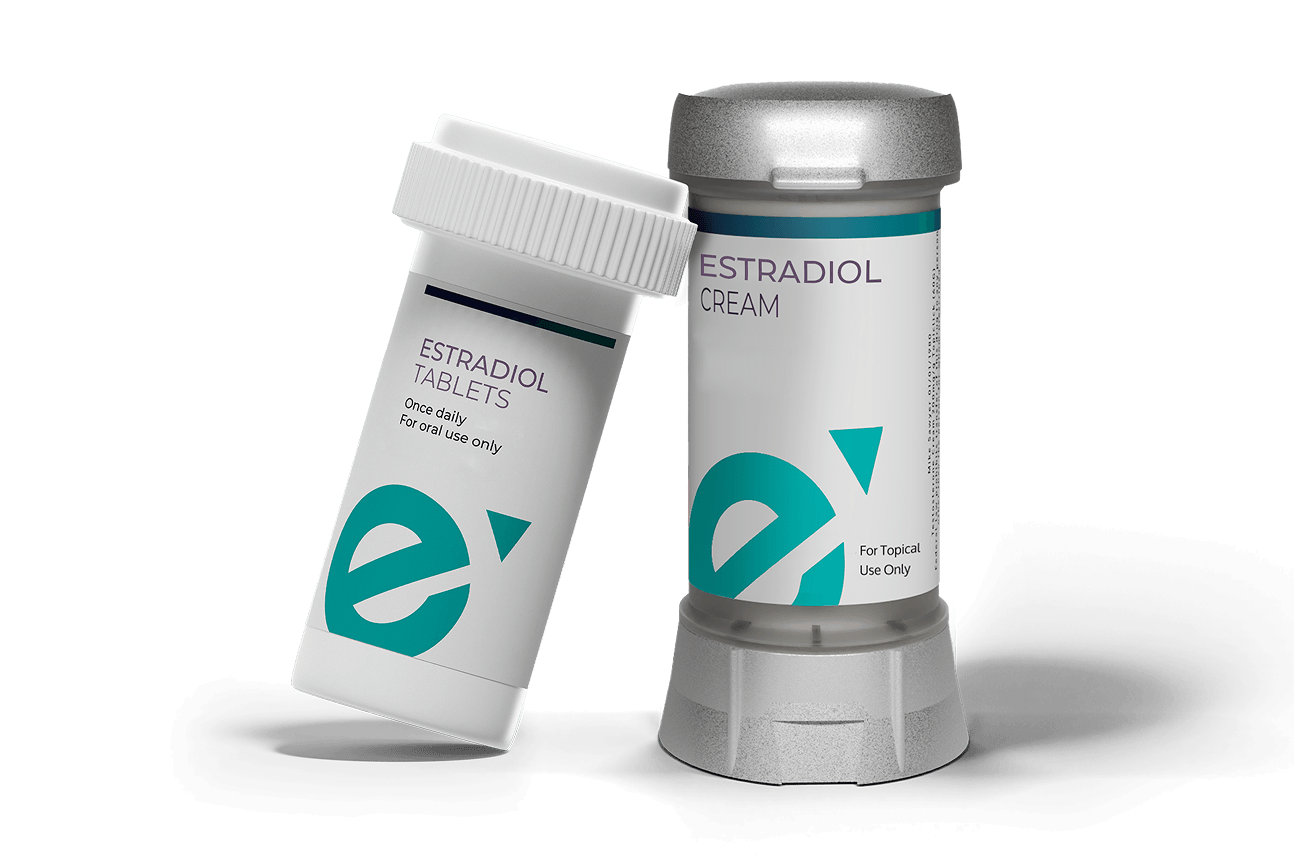
Bioidentical estradiol restores the most biologically active form of estrogen to improve sleep, mood, temperature stability, and support cardiovascular, cognitive, and skeletal health.
What does estrogen replacement do for your body?
What is bioidentical estrogen (estradiol) treatment?
As women transition through menopause, estrogen levels decline. In many women, this decline is associated with symptoms such as hot flashes, night sweats, vaginal dryness, poor sleep, joint discomfort, and brain fog.
Bioidentical estradiol therapy restores estrogen after menopause using a molecule identical to your body’s natural hormone. Dosing is personalized to your symptoms, health profile, and hormone levels, with ongoing 60-day follow-ups to ensure precise, medically guided care.


Bioidentical estrogen (estradiol) therapy – treatment options
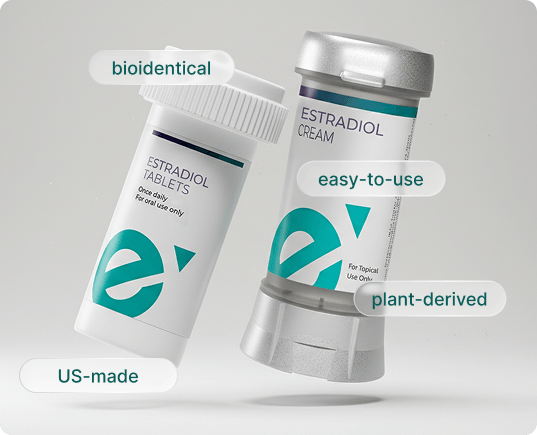
Estrogen cream (transdermal estradiol) Applied daily to support steady absorption and consistent hormone levels. Helps relieve hot flashes, improve sleep and mood, and support heart, bone, and brain health. Commonly prescribed alongside progesterone to support hormone balance and uterine protection.
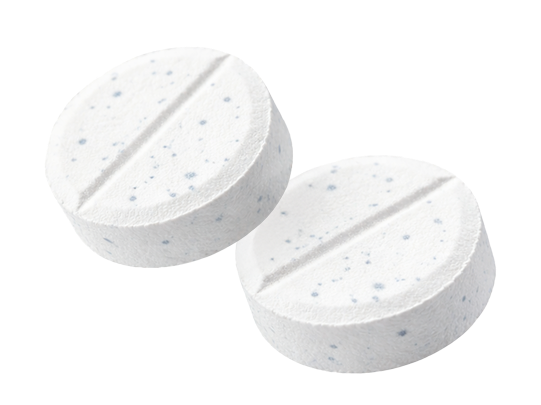
Oral estrogen (micronised estradiol) Taken daily for systemic support. Reduces vasomotor symptoms, improves sleep and mood, and supports cardiovascular, skeletal, and cognitive health. Oral estradiol has also been shown to improve cholesterol profiles and reduce lipoprotein(a), a marker associated with cardiovascular risk.
Vaginal estrogen suppositories or cream (optional add-on) Used locally to restore vaginal tissue health, improve natural moisture, and reduce urinary symptoms. Can be safely combined with systemic estradiol therapy for complete relief.
Benefits of bioidentical estrogen (estradiol) therapy
Restore energy and vitality
Stronger bones
Protect your heart
Support brain and memory
Better sleep
Healthier skin, hair, and nails
How it works
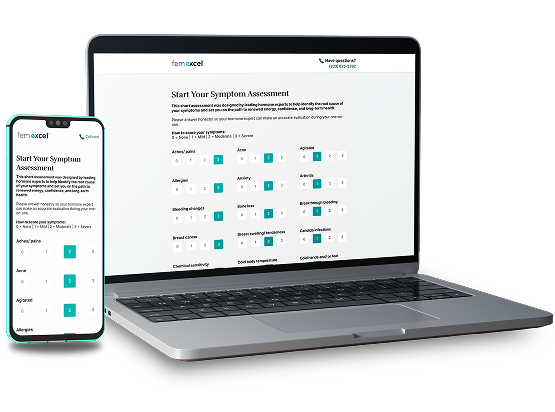
Start with your story.
Share your symptoms and health history through our online assessment.
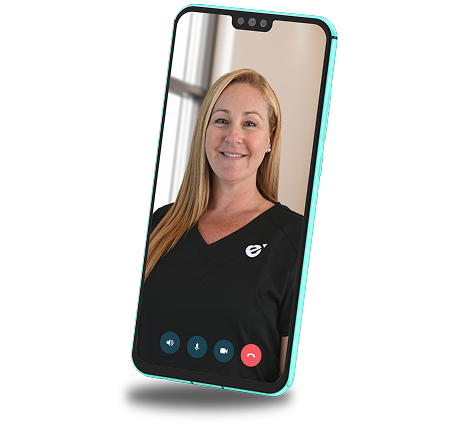
Connect online with a licensed provider to discuss your symptoms and goals. If prescribed, treatment can start right away.
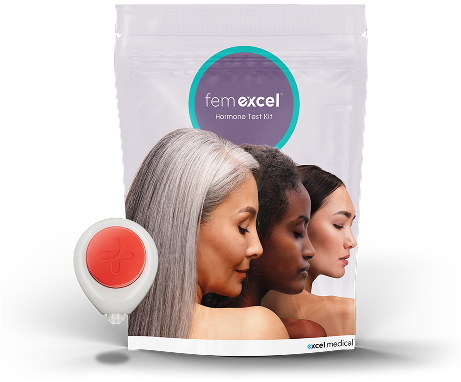
After your consult, we’ll send you a simple at-home hormone test kit to measure key biomarkers and fine-tune your care.
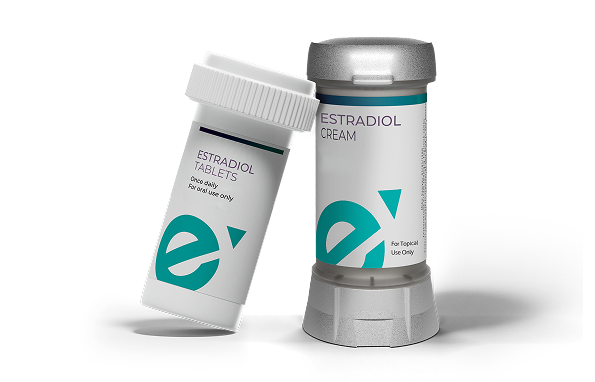
Once your lab results are in, your provider will review your progress and adjust your treatment as needed. We check in every 60 days, and you’ll receive comprehensive blood tests every six months to keep your care truly personalized.
Thousands of women are already experiencing the benefits.
Start your free assessment today.

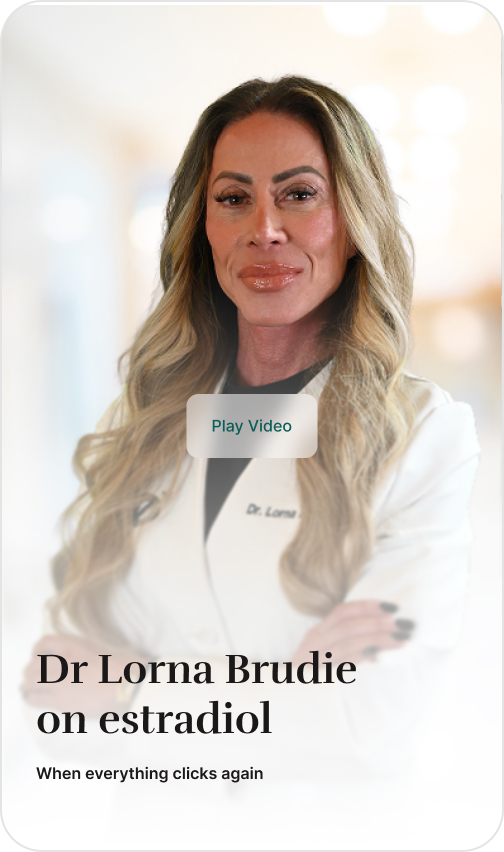
When prescribed thoughtfully and monitored consistently, it does more than relieve hot flashes and other symptoms. It helps safeguard cardiovascular health, preserve bone density, and support cognitive function for years to come.”
Lorna A. Brudie, DO, FACOG, FACOOG
Medical Director
When prescribed thoughtfully and monitored consistently, it does more than relieve hot flashes and other symptoms. It helps safeguard cardiovascular health, preserve bone density, and support cognitive function for years to come.”
Medical Director
What our patients say
Women come to Fem Excel feeling tired, foggy, frustrated, and unheard. They stay because they feel energized, clear-minded, unburdened, and back in control.
These are their stories, not just of better health, but of lives transformed.
Women come to Fem Excel feeling tired, foggy, frustrated, and unheard. They stay because they feel energized, clear-minded, unburdened, and back in control.
These are their stories, not just of better health, but of lives transformed.
Very knowledgeable & professional

“Very knowledgeable & professional. Details about the whole process and the medications that I may be taking. I was very happy to have a caring one on one with the NP. It is the help I was waiting for in the convenience of my own quiet setting.”

Araka
Possibly the best healthcare experience I’ve ever had

Alicia
Caring and thorough

Renée
I had been struggling since I hit menopause…

Lisa

Real Reviews, Actor Portrayal shown
Related symptoms
Waking up drenched or restless during the night may point to a hormone imbalance. Our treatment helps regulate temperature and improve deep, uninterrupted sleep.
Racing thoughts, irritability, or unexpected anxiety often increase during perimenopause. We treat the hormonal imbalances that affect your mood, not just the symptoms.
If you feel more irritable, reactive, or emotionally off, it may be due to fluctuating hormones. We stabilise mood by treating the underlying hormonal imbalance.
Estrogen decline can lead to joint pain, stiffness, and reduced flexibility. We treat the hormonal root to relieve pain and support joint health as you age.
If your desire has disappeared, hormones may be the reason. We help restore healthy testosterone and estrogen levels so you can feel like yourself again.
If you feel constantly drained, even after rest, low thyroid, testosterone, or progesterone could be the cause. We treat all three to help restore lasting energy.
Trouble with focus, recall, or mental clarity becomes more common after menopause. Our protocol supports cognition by balancing estrogen, testosterone, progesterone and thyroid function.
Estrogen plays a major role in skin hydration and elasticity. We restore healthy hormone levels to improve skin texture and slow visible aging.
Pain with intimacy, irritation, or ongoing dryness are not just part of getting older. We treat the cause using bioidentical estradiol to restore comfort and tissue health.
Low estrogen and testosterone can lead to declining strength and increasing fracture risk. We help protect your bones and muscles through hormone optimization.
Sudden waves of heat, flushing, or sweating that leave you uncomfortable and distracted are a classic sign of estrogen decline. We use bioidentical progesterone to bring fast, lasting relief.
Weight gain after menopause is often hormonal. We treat thyroid dysfunction and estrogen loss to support healthy weight and metabolic balance.
If you’re urinating more often or feel sudden urgency, it may be caused by low estrogen affecting your bladder. We use hormone therapy to restore balance and improve urinary function.
If you’re struggling to fall asleep, stay asleep, or wake up too early, shifting hormones may be to blame. We restore balance to support deeper, more restful sleep.
Night sweats
Anxiety
Hormonal irritability or mood swings
Joint pain or stiffness in menopause
Low libido
Persistent fatigue
Memory issues or brain fog
Dry, thinning skin
Vaginal dryness or discomfort
Pain with intimacy, irritation, or ongoing dryness are not just part of getting older. We treat the cause using bioidentical estradiol to restore comfort and tissue health.
Bone loss or muscle weakness
Hot flashes
Belly fat and slowed metabolism
Bladder sensitivity or urinary urgency
Sleep disruption or early waking
The Excel Advantage™ membership
Get dedicated physician support, regular monitoring, and personalized adjustments so your hormone therapy evolves with you.
- Access to all treatments
- Begin care within days
Medically Reviewed

References
Citations
-
Lobo RA, Archer DF, Kagan R, et al. A 17β-estradiol–progesterone oral capsule for vasomotor symptoms due to menopause: a randomized controlled trial (REPLENISH). Menopause. 2017;24(4):409–416.
PubMed: https://pubmed.ncbi.nlm.nih.gov/29889748/
DOI: https://doi.org/10.1097/GME.0000000000001041 -
Hodis HN, Mack WJ, Henderson VW, et al; ELITE Research Group. Vascular effects of early versus late postmenopausal treatment with estradiol. N Engl J Med. 2016;374(13):1221–1231.
PubMed: https://pubmed.ncbi.nlm.nih.gov/27028912/
DOI: https://doi.org/10.1056/NEJMoa1505241 -
Manson JE, Chlebowski RT, Stefanick ML, et al. Menopausal hormone therapy and health outcomes during the intervention and extended poststopping phases of the Women’s Health Initiative randomized trials. JAMA. 2013;310(13):1353–1368.
PubMed: https://pubmed.ncbi.nlm.nih.gov/24084921/
DOI: https://doi.org/10.1001/jama.2013.278040 -
Schierbeck LL, Rejnmark L, Tofteng CL, et al. Effect of hormone replacement therapy on cardiovascular events in recently postmenopausal women: randomised trial. BMJ. 2012;345:e6409.
PubMed: https://pubmed.ncbi.nlm.nih.gov/23048011/
DOI: https://doi.org/10.1136/bmj.e6409 -
Mikkola TS, Tuomikoski P, Lyytinen H, et al. Estradiol-based postmenopausal hormone therapy and risk of cardiovascular and all-cause mortality. Menopause. 2014;21(10):1127–1131.
PubMed: https://pubmed.ncbi.nlm.nih.gov/25803671/ -
Canonico M, Oger E, Plu-Bureau G, et al. Hormone therapy and venous thromboembolism among postmenopausal women: impact of the route of estrogen administration and progestogens. Circulation. 2007;115(7):840–845.
PubMed: https://pubmed.ncbi.nlm.nih.gov/17309934/
DOI: https://doi.org/10.1161/CIRCULATIONAHA.106.642280 -
Vinogradova Y, Coupland C, Hippisley-Cox J. Use of hormone replacement therapy and risk of venous thromboembolism: nested case-control studies using the QResearch and CPRD databases. BMJ. 2019;364:k4810.
PubMed: https://pubmed.ncbi.nlm.nih.gov/30626577/
DOI: https://doi.org/10.1136/bmj.k4810 -
Simon JA, Goldstein I, Kim NN, et al. Local vaginal estradiol for the treatment of vaginal atrophy. Menopause. 2020;27(3):282–289.
DOI: https://doi.org/10.1097/GME.0000000000001465 -
Sherwin BB. Estrogen and cognitive functioning in women. Endocr Rev. 2003;24(2):133–151.
PubMed: https://pubmed.ncbi.nlm.nih.gov/12700177/
DOI: https://doi.org/10.1210/er.2001-0016 -
Wang K, et al. Menopausal hormone therapy use and long-term all-cause and cause-specific mortality. Int J Cancer. 2020;147(5):1367–1376.
PubMed: https://pubmed.ncbi.nlm.nih.gov/31957967/
DOI: https://doi.org/10.1002/ijc.32821 -
Cauley JA, Robbins J, Chen Z, et al. Effects of estrogen plus progestin on risk of fracture and bone mineral density: the Women’s Health Initiative randomized trial. JAMA. 2003;290(13):1729–1738.
PubMed: https://pubmed.ncbi.nlm.nih.gov/14519707/
DOI: https://doi.org/10.1001/jama.290.13.1729 -
Stuenkel CA, Davis SR, Gompel A, et al. Treatment of symptoms of the menopause: an Endocrine Society clinical practice guideline. J Clin Endocrinol Metab. 2015;100(11):3975–4011.
PubMed: https://pubmed.ncbi.nlm.nih.gov/26444994/
DOI: https://doi.org/10.1210/jc.2015-2236
Frequently asked questions
What is estradiol, and how is it different from “estrogen”?
What symptoms can estradiol help with?
Is estradiol therapy safe?
Do I need progesterone with estradiol?
Is vaginal estradiol different from systemic estradiol?
Who is a good candidate for estradiol therapy?
How long can I stay on estradiol?
Some women use estradiol for a few years to manage menopausal symptoms. Others continue long term, including into their 70s or beyond, for ongoing symptom relief, bone protection, cardiovascular support, and quality of life. The decision is individualized and should be based on a personalized risk–benefit discussion with your clinician, along with regular follow-up to ensure the therapy remains appropriate for your health profile.
What forms of estradiol are available?
- Transdermal preparations (patches, gels, creams)
- Oral tablets or capsules
- Low-dose vaginal creams, tablets, or rings